Welcome to Our Factory for a Visit! Free customized disinfection solutions
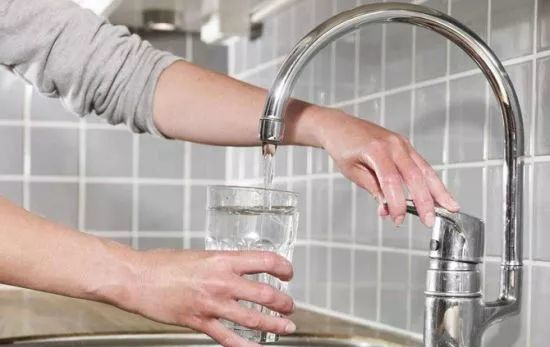
When you turn on the tap every day, have you ever wondered whether the water is truly safe to drink?
Nitrate is one of the chemical indicators that often causes confusion in water-quality reports. A common question is whether chlorine dioxide, which is widely used for disinfection, can also lower nitrate. If a household test shows elevated nitrate, will adding chlorine dioxide tablets help? The short answer is no: chlorine dioxide is a disinfectant and oxidant, not a conventional nitrate-removal technology.
First, understand the risk: why does excessive nitrate matter?
Nitrate can occur naturally in groundwater and can also enter water through fertilizers, manure, septic systems and other pollution sources. Its health significance depends on concentration, exposure and the population involved.
Nitrate itself has relatively low acute toxicity, but part of ingested nitrate can be reduced to nitrite in the body. Nitrite can oxidize hemoglobin to methemoglobin, reducing the blood’s ability to carry oxygen. Under certain conditions, nitrite can also participate in the formation of N-nitroso compounds, some of which are carcinogenic. It is therefore more accurate to discuss nitrate risk through these biological pathways rather than simply labeling nitrite itself as a “recognized carcinogen.”
Infants, especially those under about six months of age, are among the groups of greatest concern because they are more susceptible to methemoglobinemia. Severe methemoglobinemia can cause cyanosis and oxygen deprivation and requires prompt medical attention. When nitrate in drinking water exceeds the applicable limit, infant formula should not be prepared with that water until a safe water source is available.
Pregnant people and other susceptible populations should also avoid prolonged exposure to water that exceeds the applicable nitrate standard. Some epidemiological studies have reported associations between nitrate exposure and adverse reproductive outcomes, but the evidence is not sufficiently uniform to present miscarriage, preterm birth or fetal neurological damage as inevitable consequences of nitrate exposure.
China’s GB 5749-2022 sets the limit for nitrate, expressed as nitrogen (N), at 10 mg/L. The standard contains a specified allowance of 20 mg/L under restricted groundwater-source conditions; this should not be treated as a general household target. If a measured value exceeds the applicable limit, the source and treatment needs should be assessed rather than relying on disinfection alone.

A common mistake is to respond to a nitrate exceedance by adding a disinfectant. This confuses microbial control with dissolved-inorganic contaminant removal.
What chlorine dioxide is actually designed to do
Chlorine dioxide is a strong oxidizing disinfectant used in appropriate drinking-water applications to control microorganisms and to oxidize selected water constituents. Its primary role is microbial disinfection and oxidation, and its dose, contact time and residual are controlled according to the treatment objective and applicable requirements. It should not be presented as a treatment for every dissolved chemical contaminant.
The relationship between chlorine dioxide and nitrate
For drinking-water treatment, chlorine dioxide should not be considered a practical nitrate-removal method. Nitrate is already a highly oxidized form of nitrogen, so a strong oxidant such as chlorine dioxide does not normally “oxidize nitrate away.” In contrast, nitrite can be further oxidized to nitrate under oxidizing treatment conditions. Therefore, claims that chlorine dioxide removes 95% of nitrate within one minute or almost completely removes nitrate within 30 minutes should not be generalized to drinking-water treatment without rigorous, reproducible analytical evidence and a clearly demonstrated reaction pathway.
This distinction is important: chlorine dioxide can improve microbiological safety, but it does not solve a nitrate exceedance. If nitrate is above the applicable limit, a separation or reduction process designed for nitrate is required.

The key: choose a treatment that actually targets nitrate
When nitrate is elevated, the correct response is to confirm the result, identify the contamination source and select a process that has been validated for nitrate removal.
Step 1: confirm the water-quality problem
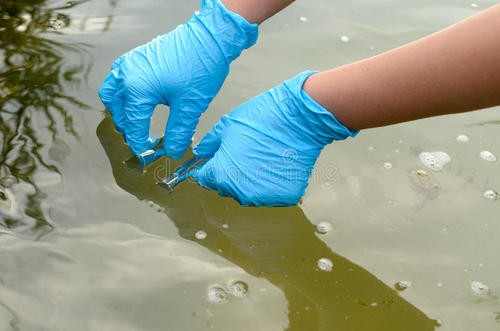
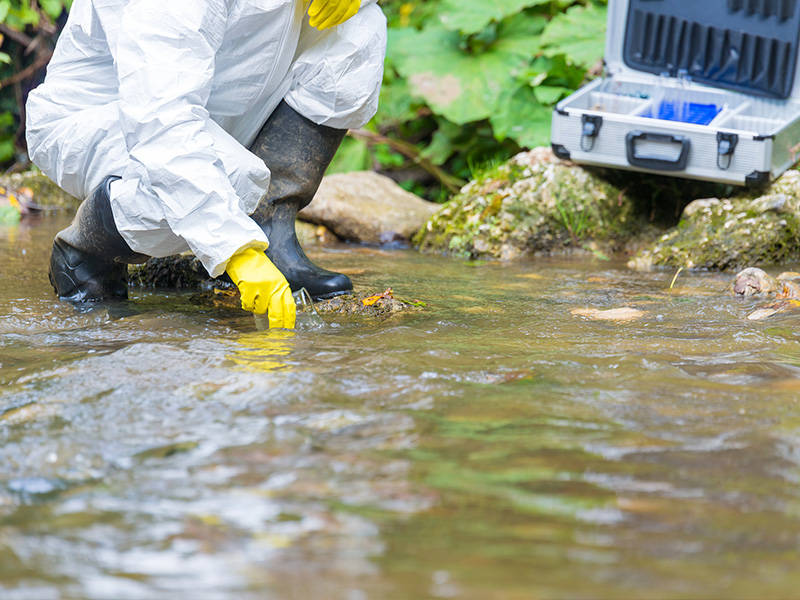
Before treatment, confirm nitrate concentration using a qualified laboratory or a properly validated field method. Household test kits can be useful for screening, but a regulatory or health-related decision should be based on reliable analytical testing. Other relevant parameters may also need to be tested, such as nitrite, microbiological indicators, hardness, iron, manganese and other contaminants associated with the local source.
For example, some groundwater sources with elevated nitrate may also contain iron, manganese, hardness or other pollutants. In that situation, the treatment train should be designed for the complete water-quality profile rather than for nitrate alone.
Step 2: choose a scientifically appropriate nitrate-removal technology
Common technologies for nitrate control include reverse osmosis, nitrate-selective anion exchange and, at larger treatment scales, biological denitrification. Distillation can also remove nitrate in point-of-use applications, although it has relatively high energy demand. The correct choice depends on influent quality, required capacity, maintenance capability, waste-stream handling and the desired finished-water quality.
1. Reverse osmosis
Principle: pressure drives water through a semipermeable membrane, while a large proportion of dissolved salts and other contaminants remain in the concentrate stream. Nitrate can be significantly reduced by a properly selected and maintained reverse-osmosis membrane.
Advantages: RO can remove nitrate together with many other dissolved inorganic contaminants. Removal efficiency is often high, but it should not be fixed at “over 90%” for every device because performance varies with membrane type, feed-water quality, pressure, temperature, recovery and membrane condition.
Important: the membrane and prefilters must be replaced or serviced according to the manufacturer’s instructions, and the treated water should be periodically verified. RO also produces a concentrate stream that must be discharged appropriately.
2. Nitrate-selective anion exchange
Principle: an anion-exchange resin in the chloride form exchanges chloride ions for nitrate ions in the water, thereby lowering nitrate in the treated stream. The resin is regenerated with brine after its capacity is exhausted.
Advantages: anion exchange is a mature nitrate-removal technology and can be economical in suitable centralized or point-of-entry applications. Suitability is not determined simply by whether nitrate is between 10 and 30 mg/L; sulfate, alkalinity, competing anions, resin selectivity, flow and regeneration strategy all affect performance.
Important: the main operational issue is not that the treated water necessarily gains excessive sodium. Nitrate-selective anion exchange typically exchanges nitrate for chloride, while brine regeneration produces a nitrate-rich waste stream that must be managed. Breakthrough should be monitored so that exhausted resin is regenerated before nitrate reappears in the product water.

3. Biological denitrification for larger systems
Principle: selected microorganisms reduce nitrate through a denitrification pathway, ultimately producing nitrogen gas under controlled conditions. The process requires an electron donor and carefully managed biological conditions.
Advantages: biological denitrification can be effective for centralized treatment and can avoid a high-salinity concentrate stream, but it is not automatically the “lowest-cost” or simplest option. Its economics depend on scale, carbon or hydrogen source, reactor design, post-treatment and operating control.
Important: biological treatment requires professional operation and usually needs downstream filtration and/or disinfection to control biomass, nitrite and other process-related risks. It is generally unsuitable as an improvised household treatment method.
Avoid these common misconceptions
In addition to the misconception that chlorine dioxide can remove nitrate, several other household methods are often misunderstood.
Misconception 1: boiling removes nitrate
It does not. Boiling removes water by evaporation but does not remove nitrate, so the nitrate concentration can increase. If nitrate is above the drinking-water limit, boiling is not a corrective treatment.
Misconception 2: ordinary activated carbon removes nitrate
Conventional activated carbon is useful for many organic compounds, taste and odor problems and some chlorine-related compounds, but it does not reliably remove dissolved nitrate. Specialized media or combined systems are different and should not be confused with ordinary activated-carbon filters.
Misconception 3: vitamin C can neutralize nitrate
Vitamin C is not a validated household nitrate-removal process. Although ascorbic acid can participate in reactions involving nitrite under certain conditions, adding tablets to drinking water does not provide controlled, verifiable nitrate removal and should not be relied upon for safety.
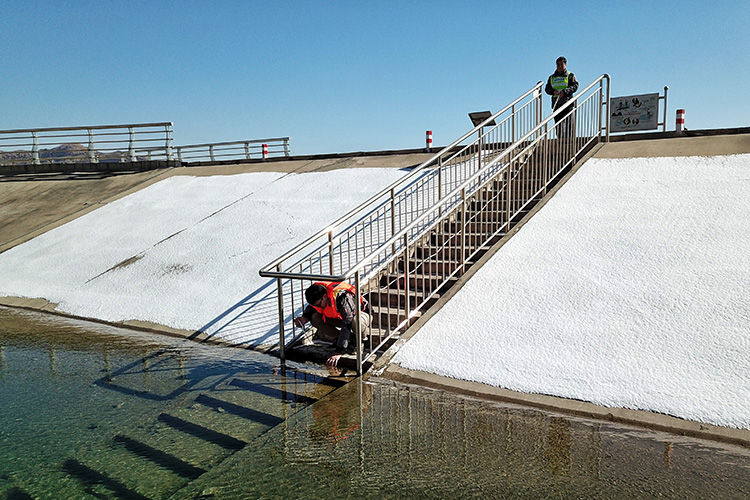
Treatment equipment also requires verification and maintenance. RO membranes age, ion-exchange resins eventually reach breakthrough, and biological systems require operational control. There is no universal rule that every household must test water every three to six months or service equipment exactly once per year; the frequency should be based on source-water risk, treatment-system design, manufacturer instructions and local regulatory guidance. For a newly installed nitrate-removal system, confirming treated-water nitrate after commissioning and then testing periodically is a more reliable approach.
The central message is simple: chlorine dioxide is valuable for disinfection, but it is not a nitrate-removal technology. When nitrate is elevated, first confirm the concentration and source, then select a validated nitrate-removal process such as reverse osmosis, nitrate-selective anion exchange or an appropriate centralized denitrification system. Safe drinking water depends on using the right technology for the right contaminant.
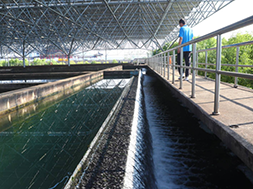
A shutdown of the chlorine dioxide system in a water plant can lead to risks such as decreased disinfection capacity, increased byproducts, biofilm growth, and water quality exceeding standards. Water quality can be ensured through redundancy backups, temporary alternative disinfection methods, refined operation and maintenance, and optimized process parameters. Corresponding emergency measures should be implemented for planned maintenance and unforeseen malfunctions to minimize the impact of shutdowns on disinfection stability.
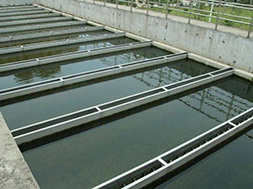
In remote rural areas, some water plants lack electricity due to grid limitations. They rely on three non-electric methods—gravity dripping, float pump, and manual dosing—to add disinfectant and disinfect drinking water. At the same time, they rationally select disinfectants based on the performance characteristics of different agents, using low-cost and practical technologies to safeguard the drinking water safety of rural residents and strengthen the foundation of rural revitalization and people's livelihood.
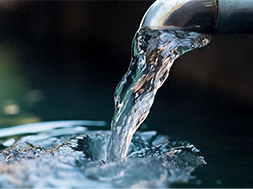
Tap water may momentarily fail to meet residual chlorine standards upon leaving the treatment plant, but the water coming out of the tap may still meet standards. This is because the water supply network has chlorination replenishment stations to add disinfectant, and the small amount of substandard water mixes and dilutes with a large amount of qualified water during transportation. Water supply relies on multiple layers of protection—water treatment at the treatment plant, network regulation, and end-point monitoring—to ensure the safety of water quality reaching households. Therefore, it is crucial to pay close attention to the water quality at the final point of contact (the point of contact with the tap).

Biofilm on the inner walls of water supply networks can easily cause secondary pollution. Excessive chlorine dioxide concentration can cause it to detach in large quantities, leading to turbidity in the water at the user's end. A comprehensive approach, including precise concentration control, optimized dosing methods, network flushing, enhanced water quality monitoring, and pipeline maintenance, can balance the effectiveness of biofilm management and ensure water supply safety.
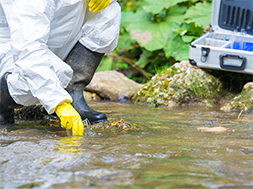
Excessive nitrate levels in drinking water can harm human health, especially threatening the health of infants and young children. Chlorine dioxide is only used for water disinfection and **cannot be used as a routine method for removing nitrates**. Reverse osmosis, ion exchange, and biological denitrification technologies can be used to remove nitrates. Boiling and activated carbon adsorption are ineffective in reducing nitrate levels, and regular water quality monitoring and maintenance are necessary after treatment.
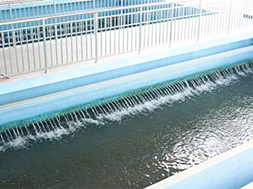
When water quality at the water plant is abnormal, a four-level emergency response is activated through real-time monitoring and alarms; the contaminated water source is cut off, a backup water source is activated, and targeted purification treatment is carried out according to the type of pollutant; water quality testing is intensified, and water supply is restored after the water meets the standards; information is simultaneously disclosed, and emergency water supply is allocated to key locations. A post-incident disinfection system is implemented, contingency plans are improved, and water source protection is strengthened to ensure the safety of urban water use.
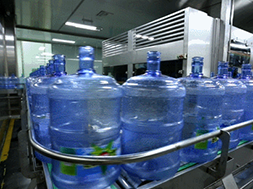
Chlorine dioxide is used for disinfection of bottled water, but its effectiveness is easily affected by high temperatures, light exposure, and storage time, leading to degradation and the production of harmful byproducts such as chlorite and chlorate. The quality of bottled water can be ensured through multi-party collaboration, including controlling the concentration at the factory, using light-blocking packaging, low-temperature storage and transportation, shortening distribution time, and other measures.
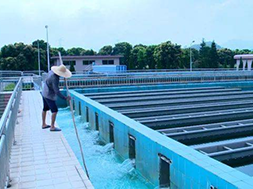
High temperatures can easily cause red nematodes to grow in secondary water supply tanks, which can be disinfected with chlorine dioxide; the tanks need to be cleaned regularly, and water should be drained before use, and any abnormalities should be reported immediately.
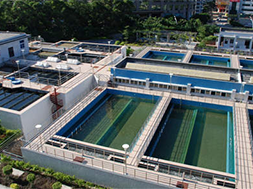
Sudden microbial contamination of water sources is characterized by rapid outbreaks, high difficulty in detection, and high health risks. Water plants can respond to contamination through various technical solutions, such as enhanced treatment using conventional processes, pretreatment combined with conventional processes, and advanced treatment. At the same time, they should follow the golden 4-hour emergency response process, carry out water quality testing, process adjustments, and safety verification in stages, and safeguard water supply safety by relying on technical means, real-time monitoring, and emergency drills.
Northeast of Huangshan Road and Chuangye Intersection, Small and Medium sized Enterprise Entrepreneurship Industrial Park, Shanwang Town, Linqu County, Weifang City, Shandong Province
Copyright © 2025 by Shandong Huashi Pharmaceutical Co., Ltd All Rights Reserved


 Language
 中文
 Русский
 Chlorine Dioxide Disinfectant Manufacturer