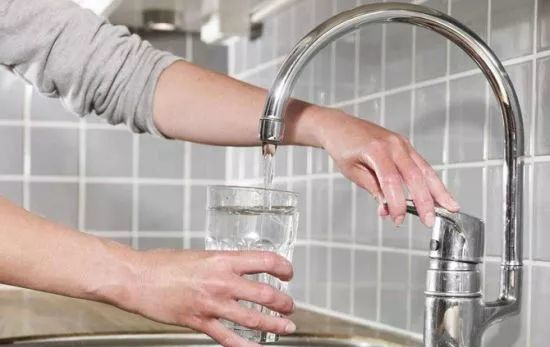
Welcome to Our Factory for a Visit! Free customized disinfection solutions
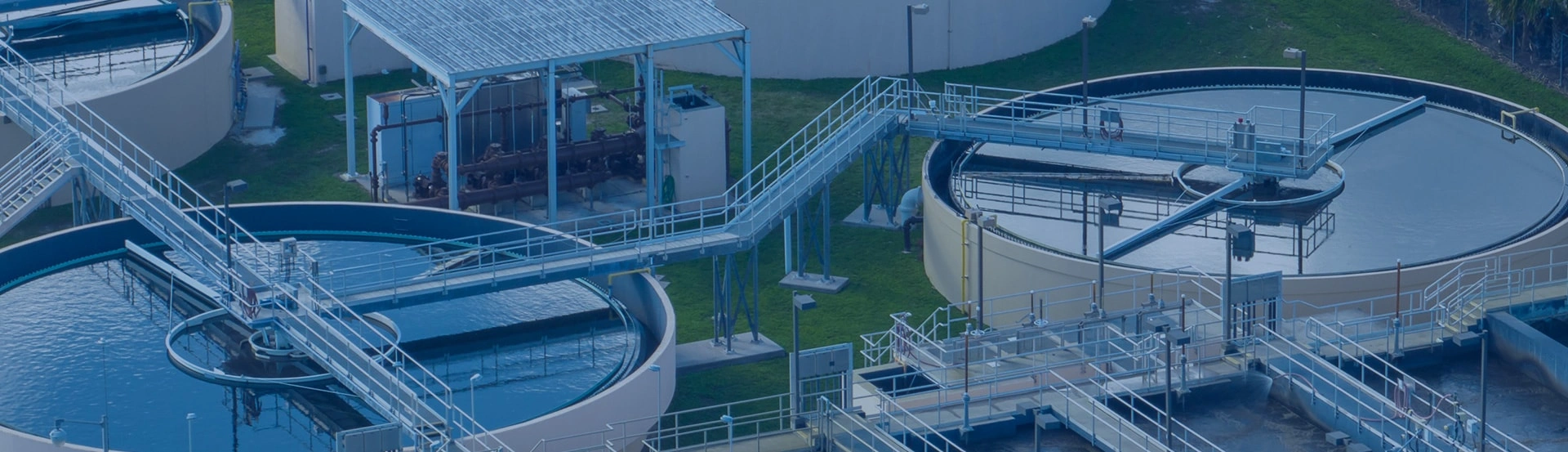
In some remote rural and mountainous areas of China, small water-supply systems still face weak grid access, unstable electricity, or limited power for routine operation. These systems may be small, but they directly affect the drinking-water safety of local households. In this context, “no-power” does not necessarily mean that the entire waterworks has no electricity at all; it means that the disinfection process cannot continuously depend on electric metering pumps, control cabinets, or other powered equipment. The dosing method must therefore be selected according to source-water conditions, flow, supply pattern, and the hydraulic conditions available on site.
Disinfection is an important barrier for rural drinking-water safety, but being able to add disinfectant is not the same as achieving effective disinfection. Whatever dosing method is used, the dose must match the actual water volume, adequate contact time must be provided, and performance must be verified by disinfectant-residual and water-quality monitoring. China’s current GB 5749-2022 requires drinking water to be disinfected, while rural systems should also select measures appropriate to their size and operating conditions in accordance with the current GB/T 43824-2024 Technical Specification for Water Supply Projects in Towns and Villages and applicable local management requirements.
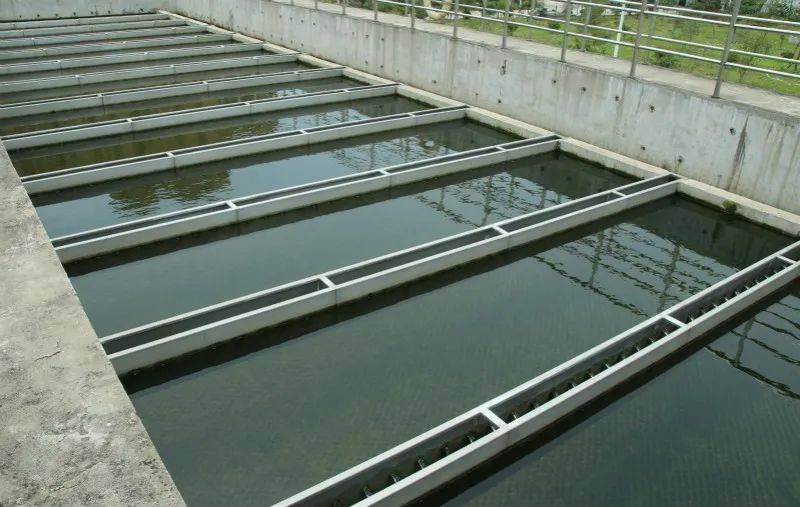
Three Practical Options for Disinfectant Dosing Where Reliable Electricity Is Unavailable
Option 1: Gravity Drip Dosing - A Simple “Drip-by-Drip” Approach
Gravity dosing is attractive because it is mechanically simple and requires no electric metering pump, but it is not a universal solution. Its feasibility depends on having enough elevation difference between the solution tank and the dosing point and on whether the injection point is an open tank, a low-pressure line, or another location with a suitable pressure differential. In a pressurized distribution main, a high-level tank cannot feed disinfectant reliably unless its hydraulic head exceeds the line pressure, so the hydraulic conditions must be checked before this method is selected.
The principle is to use static head to move a prepared disinfectant solution through corrosion-resistant tubing and an adjustable flow-control device into a clear-water tank, contact tank, or suitable low-pressure pipe section. The solution concentration and drip rate should be calculated from the actual water flow and target dose, and the liquid level, dosing rate, and tubing condition should be checked regularly. If demand varies substantially through the day, a fixed drip rate will not maintain a constant dose-to-flow ratio; the method is therefore better suited to small systems with relatively stable flow or to systems where operators make scheduled adjustments. Permanent drinking-water installations should use chemical-compatible valves, tubing, and metering devices rather than improvised medical infusion sets as standard long-term equipment.
Its main advantages are zero electrical demand, few components, relatively simple maintenance, and low capital cost. Its limitations are that actual dosing can change with liquid level, tubing resistance, and water-flow variation, so residual monitoring and routine calibration are essential.
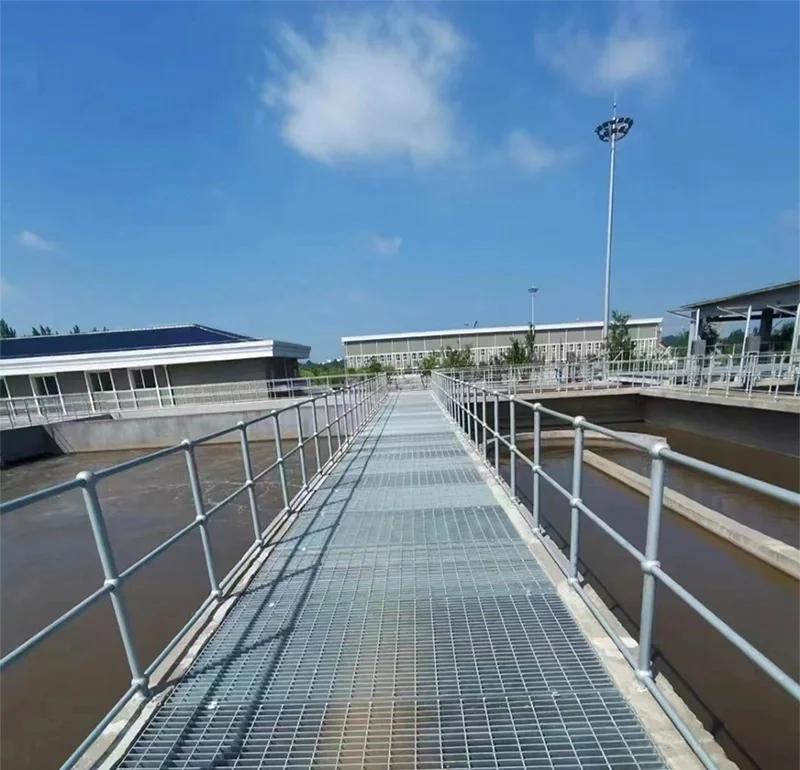
Option 2: Water-Powered Proportional Dosing - An “Automatic Guardian” Driven by Hydraulic Energy
Where a pipeline has sufficient water pressure and operates within a reasonably stable flow range, a water-powered proportional pump or hydraulic dosing device can be used. It requires no external electrical supply and uses the energy of the flowing water, allowing the chemical dose to follow water throughput more closely than a fixed gravity drip.
As water passes through the unit, an internal hydraulic mechanism draws in the chemical solution and injects it into the main line at a preset ratio. This creates useful on/off linkage with water flow, but “proportional” does not mean perfectly accurate under every condition. The unit must operate within the manufacturer’s specified inlet-pressure, flow, and dosing-ratio ranges, and actual dosing can also be affected by solution concentration, viscosity, backpressure, and check-valve condition. After installation, the system should still be calibrated and verified by flow checks and disinfectant-residual testing, with suitable bypass, check-valve, and backflow-prevention arrangements.
Its main advantages are operation without external power, automatic response to water flow, higher automation, and reduced routine labor. It is suitable only where the available pressure and flow meet the equipment requirements and where routine maintenance, calibration, and residual monitoring can be carried out.
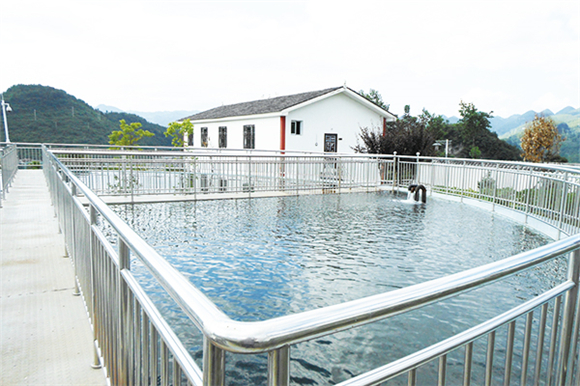
Option 3: Manual Dosing - A Controlled Backup for Small or Intermittent Systems
Manual dosing can still be used for very small systems, intermittent supplies, or emergency conditions, but it depends heavily on correct calculation, preparation, and recordkeeping. “No equipment required” should never be interpreted as “no control required.”
The correct procedure is to calculate the required chemical amount from the volume to be treated, target disinfectant concentration, and active-ingredient content, then prepare a suitable working solution in accordance with the product instructions, distribute it evenly into the clear-water or contact tank, provide adequate mixing, and maintain the required contact time. For two-component A/B chlorine-dioxide products, the components must be prepared, activated, and diluted exactly as specified; the two dry powders must never be mixed directly. After manual dosing, disinfectant residuals at the plant outlet and network extremities should be checked to confirm that the dose is neither insufficient nor excessive.
This method requires little equipment and can be deployed quickly, making it useful for low-flow or intermittent supplies. Its disadvantages are greater dependence on operator performance and poorer dose consistency, so it is best treated as a controlled option for very small systems or as a backup to other dosing methods rather than as a substitute for proper contact time and verification.
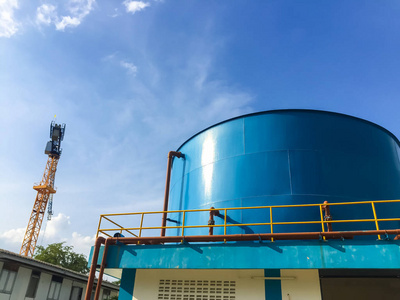
Choosing a Disinfectant: What Works Best Where Power Is Limited?
Once the dosing method has been selected, the disinfectant itself should be chosen according to source-water quality, supply scale, storage and transport conditions, operator capability, and applicable health requirements. No disinfectant should be selected simply because it is described as “stronger”; the real question is whether it can reliably meet drinking-water standards and be managed safely on site.
Chlorine dioxide: Chlorine dioxide is a strong oxidizing disinfectant effective against a broad range of microorganisms and can perform well over an appropriate pH range. It can be dosed through non-electric chemical activation, prepared working solutions, or approved stabilized systems. For drinking-water use, however, dose and by-products must be strictly controlled; concentrations used for environmental or surface disinfection cannot simply be applied to drinking water. Under GB 5749-2022, chlorine-dioxide disinfection requires at least 30 minutes of contact time, a residual of at least 0.1 mg/L at the plant outlet and at least 0.02 mg/L at the network extremity, while the limit at both locations is 0.8 mg/L. Chlorite and chlorate are each limited to 0.7 mg/L. Any chlorine-dioxide product used for drinking water should therefore have the required drinking-water hygiene approval or other applicable compliance documentation, be prepared and dosed according to its instructions, and be verified through residual and relevant water-quality monitoring.
Sodium hypochlorite solution: Sodium hypochlorite is also widely used for drinking-water disinfection and can be applied through gravity or hydraulic proportional dosing. It is relatively straightforward to prepare and dose, but available chlorine gradually declines with storage time, temperature, light exposure, and solution conditions. It should therefore be stored appropriately, used within a controlled storage period, and dosed on the basis of measured or verified available-chlorine strength. GB 5749-2022 specifies contact-time and free-chlorine residual requirements for hypochlorite disinfection, so dosing should likewise be adjusted from residual measurements rather than assuming that freshly prepared solution is automatically stable.
Bleaching powder or high-test hypochlorite: Solid products can be convenient for transport and storage in remote areas, but they usually need to be dissolved and, where appropriate, clarified before dosing. Poor dissolution or unsuitable equipment can cause sediment to block narrow tubing and valves, so these products are better suited to systems with proper solution-preparation arrangements for manual or gravity dosing. Regardless of the chlorine-based product selected, dosing should be calculated from the actual active-ingredient content and storage should include appropriate moisture, light, and safety controls.
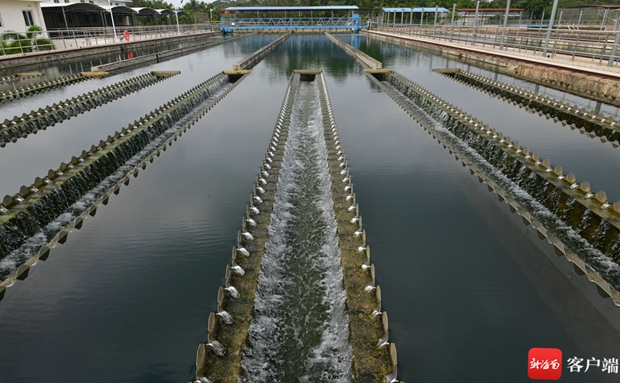
The key to rural drinking-water safety is not finding one “best” device or one “best” chemical, but matching the disinfection method to the actual system. For small water supplies with limited or unreliable electricity, gravity dosing, water-powered proportional dosing, and properly controlled manual dosing can all be useful tools, but they must be combined with correct solution preparation, uniform dosing, sufficient contact time, residual control, and water-quality monitoring. Current rural water-supply operation policies continue to require appropriate disinfection equipment or measures with sustained disinfection capability for centralized systems, together with standardized water-quality monitoring. Only when equipment, chemicals, operation, and testing form a complete control loop can “non-electric dosing” provide reliable protection for drinking-water safety.
A shutdown of the chlorine dioxide system in a water plant can lead to risks such as decreased disinfection capacity, increased byproducts, biofilm growth, and water quality exceeding standards. Water quality can be ensured through redundancy backups, temporary alternative disinfection methods, refined operation and maintenance, and optimized process parameters. Corresponding emergency measures should be implemented for planned maintenance and unforeseen malfunctions to minimize the impact of shutdowns on disinfection stability.
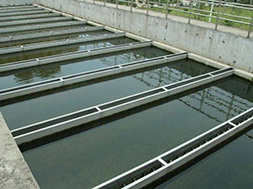
In remote rural areas, some water plants lack electricity due to grid limitations. They rely on three non-electric methods—gravity dripping, float pump, and manual dosing—to add disinfectant and disinfect drinking water. At the same time, they rationally select disinfectants based on the performance characteristics of different agents, using low-cost and practical technologies to safeguard the drinking water safety of rural residents and strengthen the foundation of rural revitalization and people's livelihood.
Tap water may momentarily fail to meet residual chlorine standards upon leaving the treatment plant, but the water coming out of the tap may still meet standards. This is because the water supply network has chlorination replenishment stations to add disinfectant, and the small amount of substandard water mixes and dilutes with a large amount of qualified water during transportation. Water supply relies on multiple layers of protection—water treatment at the treatment plant, network regulation, and end-point monitoring—to ensure the safety of water quality reaching households. Therefore, it is crucial to pay close attention to the water quality at the final point of contact (the point of contact with the tap).
Biofilm on the inner walls of water supply networks can easily cause secondary pollution. Excessive chlorine dioxide concentration can cause it to detach in large quantities, leading to turbidity in the water at the user's end. A comprehensive approach, including precise concentration control, optimized dosing methods, network flushing, enhanced water quality monitoring, and pipeline maintenance, can balance the effectiveness of biofilm management and ensure water supply safety.
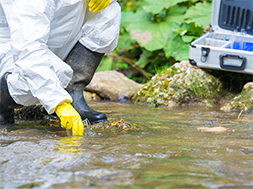
Excessive nitrate levels in drinking water can harm human health, especially threatening the health of infants and young children. Chlorine dioxide is only used for water disinfection and **cannot be used as a routine method for removing nitrates**. Reverse osmosis, ion exchange, and biological denitrification technologies can be used to remove nitrates. Boiling and activated carbon adsorption are ineffective in reducing nitrate levels, and regular water quality monitoring and maintenance are necessary after treatment.
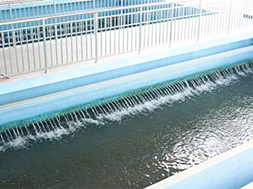
When water quality at the water plant is abnormal, a four-level emergency response is activated through real-time monitoring and alarms; the contaminated water source is cut off, a backup water source is activated, and targeted purification treatment is carried out according to the type of pollutant; water quality testing is intensified, and water supply is restored after the water meets the standards; information is simultaneously disclosed, and emergency water supply is allocated to key locations. A post-incident disinfection system is implemented, contingency plans are improved, and water source protection is strengthened to ensure the safety of urban water use.
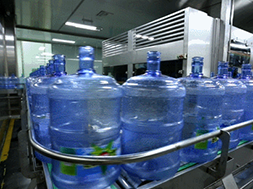
Chlorine dioxide is used for disinfection of bottled water, but its effectiveness is easily affected by high temperatures, light exposure, and storage time, leading to degradation and the production of harmful byproducts such as chlorite and chlorate. The quality of bottled water can be ensured through multi-party collaboration, including controlling the concentration at the factory, using light-blocking packaging, low-temperature storage and transportation, shortening distribution time, and other measures.
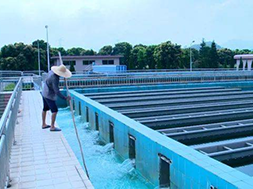
High temperatures can easily cause red nematodes to grow in secondary water supply tanks, which can be disinfected with chlorine dioxide; the tanks need to be cleaned regularly, and water should be drained before use, and any abnormalities should be reported immediately.
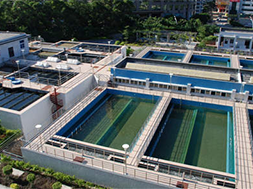
Sudden microbial contamination of water sources is characterized by rapid outbreaks, high difficulty in detection, and high health risks. Water plants can respond to contamination through various technical solutions, such as enhanced treatment using conventional processes, pretreatment combined with conventional processes, and advanced treatment. At the same time, they should follow the golden 4-hour emergency response process, carry out water quality testing, process adjustments, and safety verification in stages, and safeguard water supply safety by relying on technical means, real-time monitoring, and emergency drills.
Northeast of Huangshan Road and Chuangye Intersection, Small and Medium sized Enterprise Entrepreneurship Industrial Park, Shanwang Town, Linqu County, Weifang City, Shandong Province
Copyright © 2025 by Shandong Huashi Pharmaceutical Co., Ltd All Rights Reserved


 Language
 中文
 Русский
 Chlorine Dioxide Disinfectant Manufacturer