Welcome to Our Factory for a Visit! Free customized disinfection solutions
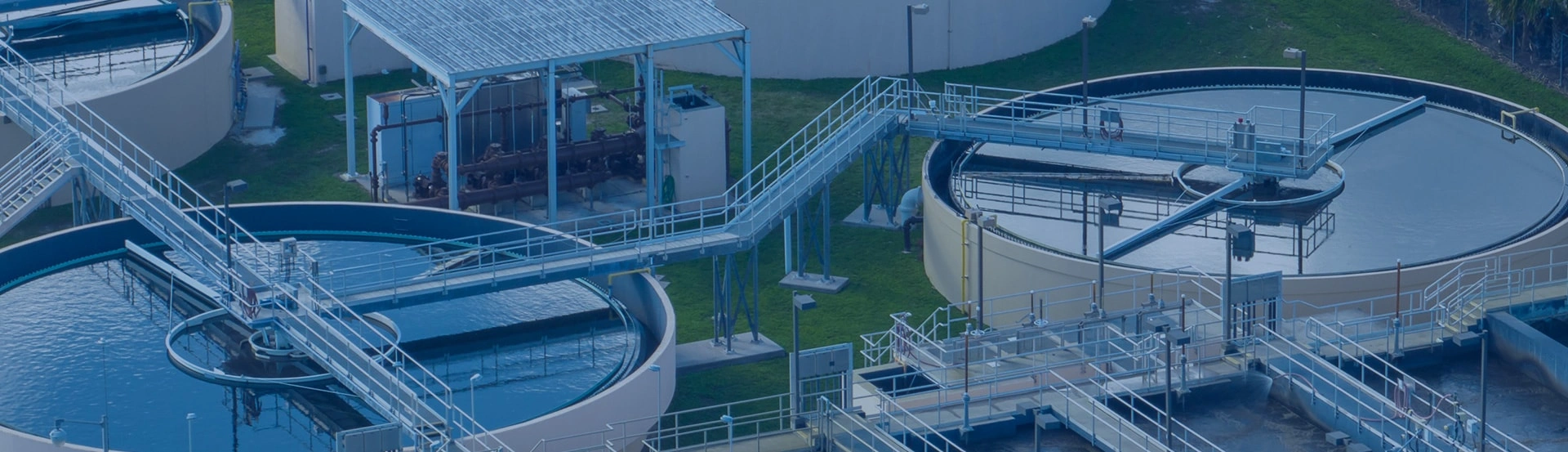
When contamination threatens a drinking-water source, treatment plant, or distribution system, the impact can extend far beyond the plant itself. A water-supply incident may affect public health, hospitals, schools, businesses, and daily life across an entire city. The correct response is not a single “stronger disinfection” measure, but a coordinated sequence of source control, emergency monitoring, treatment adjustment, alternative water supply, public communication, and verified recovery.
I. Warning and Activation: Rapid Detection and a Structured Emergency Response
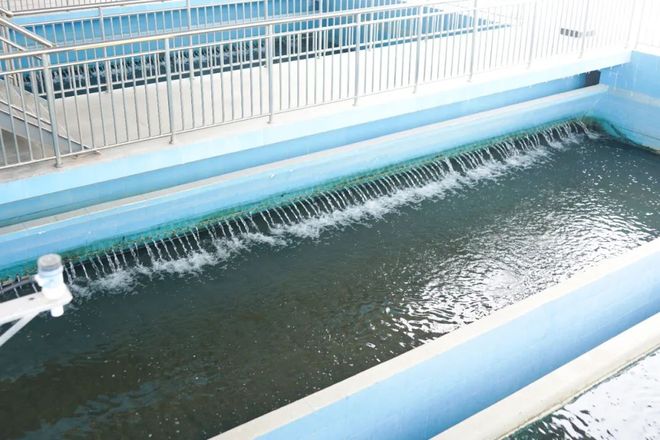
The first task in a drinking-water contamination incident is to detect the abnormal condition, report it promptly, and activate the appropriate emergency plan. Water utilities generally establish water-quality monitoring systems covering source water, treatment processes, finished water, and key distribution points. Some parameters can be monitored online continuously, while others still require laboratory testing. An abnormal online signal should therefore trigger confirmation, source investigation, and additional sampling rather than being treated as a complete diagnosis by itself.
In China, emergency response arrangements are implemented through national requirements together with local city water-supply emergency plans and the utility’s own filed emergency procedures. Many local plans use four warning levels—blue, yellow, orange, and red—from lower to higher risk—but the triggering criteria, approval authority, and response measures are defined by the applicable local plan. Once an incident is confirmed or considered credible, the responsible authority and water utility should rapidly organize monitoring, source investigation, treatment, emergency supply, communications, and other professional teams according to the event level.
II. Source Control and Containment: Prevent the Contamination from Spreading
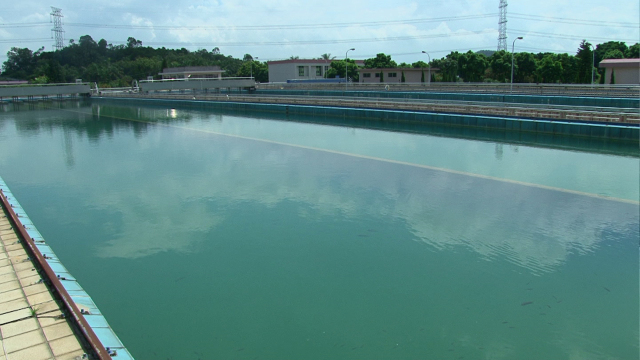
The core principle is to control the source and prevent further spread. Depending on the pollutant, its concentration, the affected intake, hydraulic conditions, and the availability of alternative sources, the utility may reduce or stop abstraction from the affected source, adjust intake depth or location, isolate affected process units or distribution zones, and activate backup sources or interconnections with neighboring systems. These actions should be based on incident-specific risk assessment; stopping an intake or closing valves is not automatically the correct response in every case, because water-supply continuity and hydraulic consequences must also be considered.
III. Treatment and Decontamination: Use Multiple Barriers and Match the Process to the Pollutant
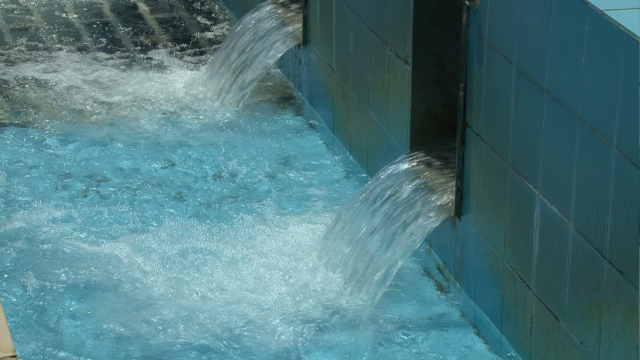
Conventional drinking-water treatment relies on multiple barriers such as pretreatment, coagulation and sedimentation, filtration, and disinfection. During a contamination incident, the process should be adjusted according to the identified or suspected pollutant, its concentration, treatability, and health risk. Emergency treatment should be verified through bench testing, pilot testing, process monitoring, or other appropriate technical assessment rather than by applying one universal chemical recipe.
For unknown or rapidly changing contamination, the first priority is to identify the characteristic pollutant and determine whether the existing treatment train can control it. If the pollutant cannot be reliably removed or reduced to an acceptable risk level, treatment intensification alone should not be used to justify continued normal supply.
For many organic pollutants and taste-and-odor compounds, powdered activated carbon or other adsorption and oxidation processes may be useful, but performance depends strongly on molecular properties, dose, contact time, competing organic matter, and process location. The adsorbent or oxidant should therefore be selected according to the actual contaminant rather than simply “increasing activated carbon” for every organic pollution event.
For metal contamination, pH adjustment, coagulation, precipitation, adsorption, ion exchange, or membrane processes may be appropriate depending on the metal species and water chemistry. Heavy metals cannot be treated as one uniform category; some dissolved forms are difficult to remove by precipitation alone, so the treatment route must be selected for the specific contaminant.
For microbiological contamination, treatment should focus on source control, clarification and filtration performance, turbidity reduction, and validated disinfection conditions. Increasing disinfectant dose may be necessary in some cases, but it should not be used as a stand-alone response when particles, high organic load, or inadequate contact conditions can shield microorganisms. Disinfectant residuals and relevant disinfection by-products must also remain under control.
For taste-and-odor events, oxidants such as permanganate, ozone, chlorine dioxide, or other processes may be considered depending on the causative compound. Permanganate is not a universal deodorization reagent, and oxidation of algae or certain organic contaminants can sometimes create additional treatment challenges; therefore, the oxidant and dose should be confirmed by testing and process knowledge.
IV. Monitoring and Assessment: Let Data Determine the Next Step
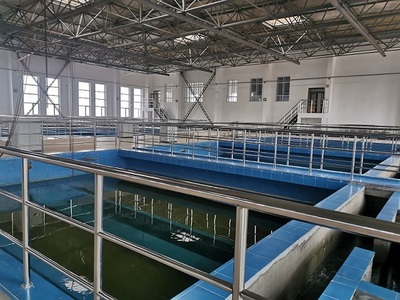
Emergency monitoring should be intensified and targeted. Monitoring points and sampling frequency should be established according to the emergency plan and the expected movement of the contaminant, covering source water, treatment units, finished water, distribution endpoints, and secondary supply where relevant. Routine indicators should be supplemented with measurements for the characteristic pollutant. Rapid field instruments can support early decisions, but laboratory analysis remains essential for confirmation when required.
The decision to restore normal supply should be based on verified water quality and health-risk assessment, not simply on the passage of time or one isolated sample. Under China’s WS/T 10038-2025, when an incident has caused a water-supply interruption or a change of source, water should be evaluated against GB 5749 before normal supply resumes. Characteristic pollutants included in GB 5749 should meet the applicable limits; pollutants outside the standard should undergo health-risk assessment and be judged not to pose a health hazard before supply is restored.
V. Public Communication and Emergency Water Supply: Clear Instructions Reduce Risk
Timely, accurate, and consistent public communication is a core part of emergency response. Authorities and utilities should explain the affected area, known or suspected contaminant, current control measures, safe-water instructions, expected updates, and the criteria for lifting the advisory. Communication should distinguish among “boil water,” “do not drink,” and “do not use” situations rather than giving one generic instruction for every incident.
Emergency drinking water may be provided through safe alternative sources, bottled water, tanker trucks, or interconnections, with priority given to hospitals, schools, care facilities, and other critical users. Boiling is appropriate when the concern is microbial contamination and authorities issue a boil-water advisory. It does not remove heavy metals, fuel, or most toxic chemicals, so chemical contamination requires bottled water or another verified safe source and specific instructions from the competent authority.
VI. System Recovery and Long-Term Prevention
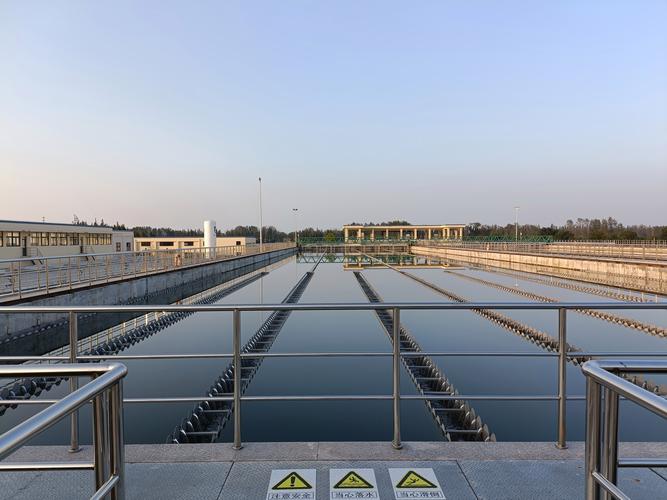
After the source has been controlled and the treatment objective has been achieved, affected treatment units, storage facilities, and distribution sections may require flushing, cleaning, or disinfection according to the contaminant and the extent of system involvement. Recovery should be gradual and evidence-based. Before full service resumes, the utility should complete the required monitoring and confirm that the water meets the applicable health requirements. The incident should then be reviewed to identify technical, operational, monitoring, and communication improvements.
Prevention is more effective than emergency remediation. Water utilities should routinely assess source-water risks, identify upstream pollution hazards, strengthen source protection, maintain online and laboratory monitoring capability, prepare emergency treatment materials and alternative-source plans, conduct exercises, and update emergency procedures as the water system and risk profile change. Building redundancy and treatment flexibility is a key part of improving urban water-supply resilience.
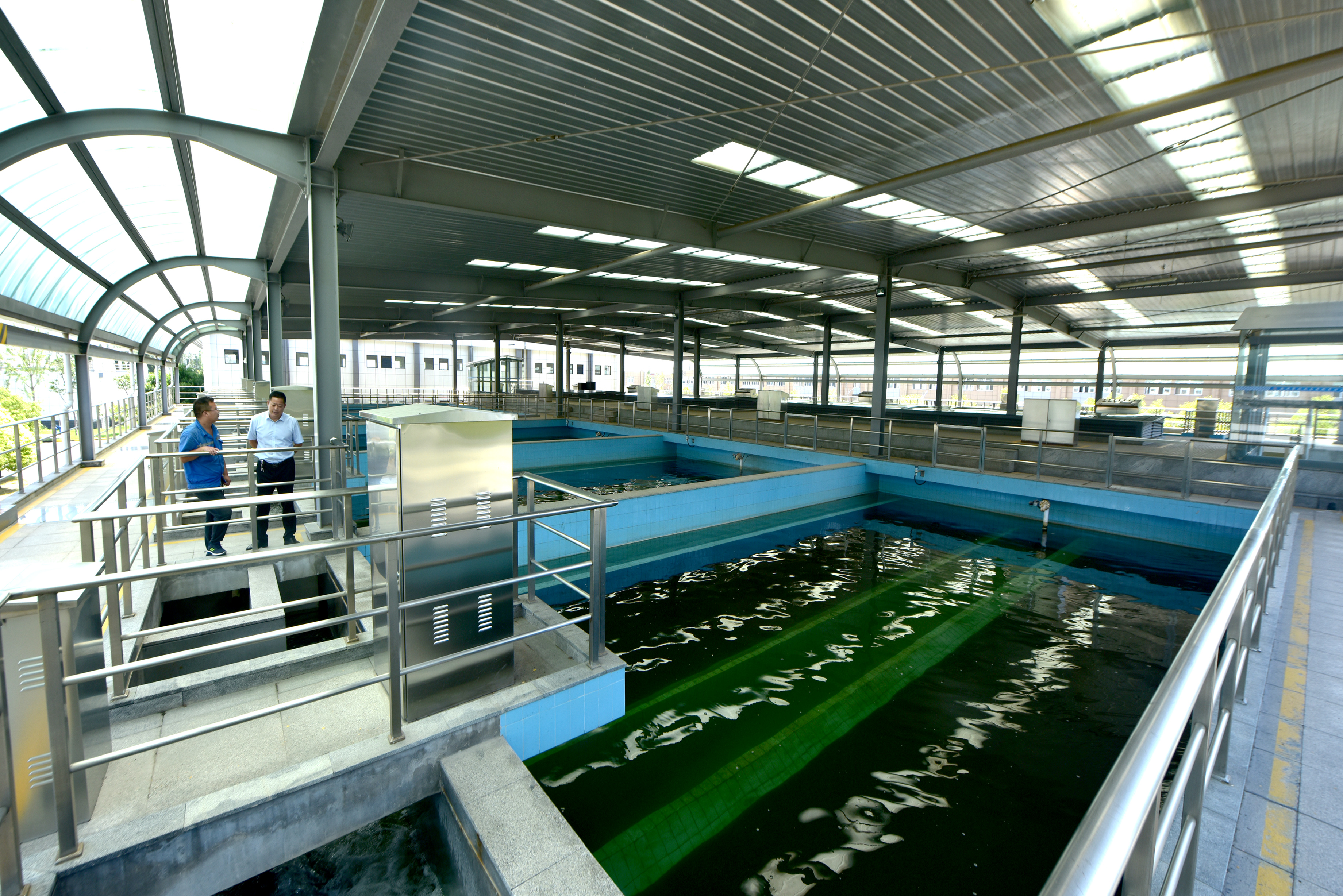
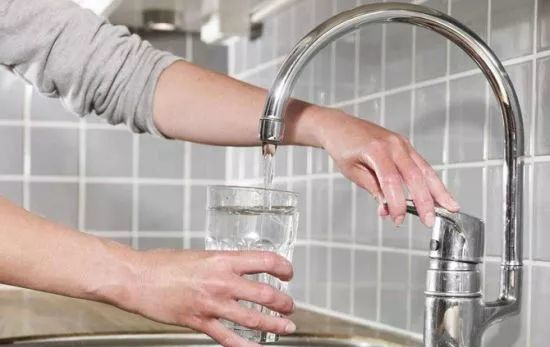
Every liter of safe tap water depends on an entire system of source protection, treatment, distribution, monitoring, and management. When contamination occurs, the most reliable response is rapid identification, containment, pollutant-specific treatment, emergency water supply, transparent communication, and verified recovery. A scientifically prepared emergency plan does not eliminate every incident, but it can greatly reduce the public-health and social consequences when an incident occurs.
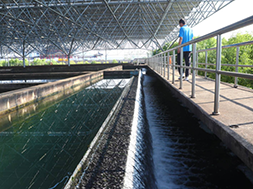
A shutdown of the chlorine dioxide system in a water plant can lead to risks such as decreased disinfection capacity, increased byproducts, biofilm growth, and water quality exceeding standards. Water quality can be ensured through redundancy backups, temporary alternative disinfection methods, refined operation and maintenance, and optimized process parameters. Corresponding emergency measures should be implemented for planned maintenance and unforeseen malfunctions to minimize the impact of shutdowns on disinfection stability.
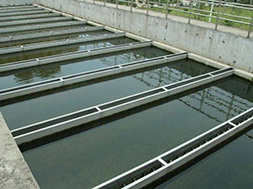
In remote rural areas, some water plants lack electricity due to grid limitations. They rely on three non-electric methods—gravity dripping, float pump, and manual dosing—to add disinfectant and disinfect drinking water. At the same time, they rationally select disinfectants based on the performance characteristics of different agents, using low-cost and practical technologies to safeguard the drinking water safety of rural residents and strengthen the foundation of rural revitalization and people's livelihood.
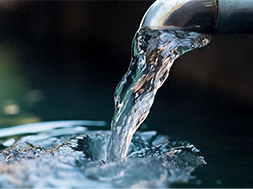
Tap water may momentarily fail to meet residual chlorine standards upon leaving the treatment plant, but the water coming out of the tap may still meet standards. This is because the water supply network has chlorination replenishment stations to add disinfectant, and the small amount of substandard water mixes and dilutes with a large amount of qualified water during transportation. Water supply relies on multiple layers of protection—water treatment at the treatment plant, network regulation, and end-point monitoring—to ensure the safety of water quality reaching households. Therefore, it is crucial to pay close attention to the water quality at the final point of contact (the point of contact with the tap).

Biofilm on the inner walls of water supply networks can easily cause secondary pollution. Excessive chlorine dioxide concentration can cause it to detach in large quantities, leading to turbidity in the water at the user's end. A comprehensive approach, including precise concentration control, optimized dosing methods, network flushing, enhanced water quality monitoring, and pipeline maintenance, can balance the effectiveness of biofilm management and ensure water supply safety.
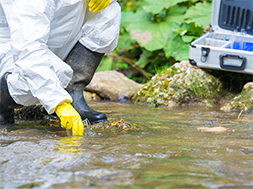
Excessive nitrate levels in drinking water can harm human health, especially threatening the health of infants and young children. Chlorine dioxide is only used for water disinfection and **cannot be used as a routine method for removing nitrates**. Reverse osmosis, ion exchange, and biological denitrification technologies can be used to remove nitrates. Boiling and activated carbon adsorption are ineffective in reducing nitrate levels, and regular water quality monitoring and maintenance are necessary after treatment.
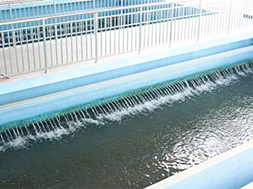
When water quality at the water plant is abnormal, a four-level emergency response is activated through real-time monitoring and alarms; the contaminated water source is cut off, a backup water source is activated, and targeted purification treatment is carried out according to the type of pollutant; water quality testing is intensified, and water supply is restored after the water meets the standards; information is simultaneously disclosed, and emergency water supply is allocated to key locations. A post-incident disinfection system is implemented, contingency plans are improved, and water source protection is strengthened to ensure the safety of urban water use.
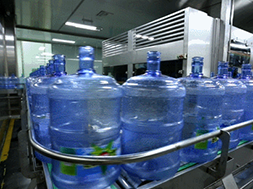
Chlorine dioxide is used for disinfection of bottled water, but its effectiveness is easily affected by high temperatures, light exposure, and storage time, leading to degradation and the production of harmful byproducts such as chlorite and chlorate. The quality of bottled water can be ensured through multi-party collaboration, including controlling the concentration at the factory, using light-blocking packaging, low-temperature storage and transportation, shortening distribution time, and other measures.
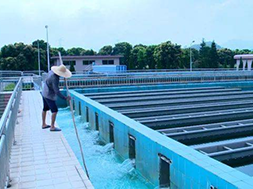
High temperatures can easily cause red nematodes to grow in secondary water supply tanks, which can be disinfected with chlorine dioxide; the tanks need to be cleaned regularly, and water should be drained before use, and any abnormalities should be reported immediately.
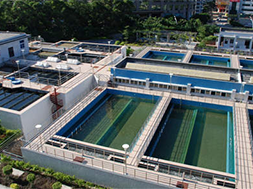
Sudden microbial contamination of water sources is characterized by rapid outbreaks, high difficulty in detection, and high health risks. Water plants can respond to contamination through various technical solutions, such as enhanced treatment using conventional processes, pretreatment combined with conventional processes, and advanced treatment. At the same time, they should follow the golden 4-hour emergency response process, carry out water quality testing, process adjustments, and safety verification in stages, and safeguard water supply safety by relying on technical means, real-time monitoring, and emergency drills.
Northeast of Huangshan Road and Chuangye Intersection, Small and Medium sized Enterprise Entrepreneurship Industrial Park, Shanwang Town, Linqu County, Weifang City, Shandong Province
Copyright © 2025 by Shandong Huashi Pharmaceutical Co., Ltd All Rights Reserved


 Language
 中文
 Русский
 Chlorine Dioxide Disinfectant Manufacturer