Welcome to Our Factory for a Visit! Free customized disinfection solutions
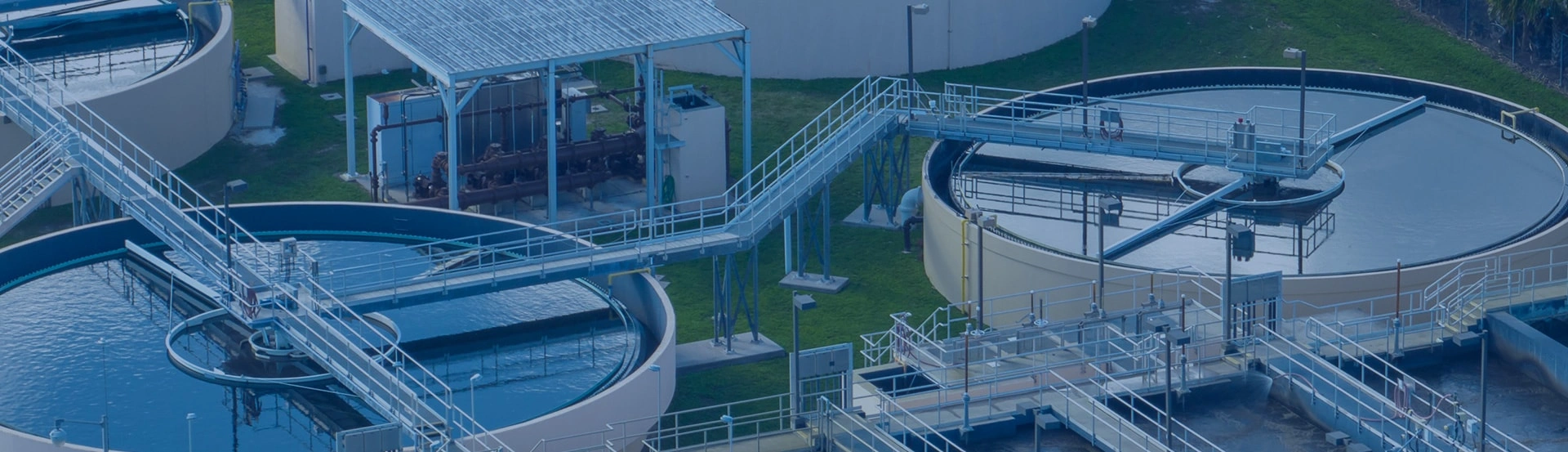
Chlorine dioxide is used in drinking water treatment for its disinfection performance and its relatively low tendency to form trihalomethanes under appropriate conditions. However, maintenance, calibration or an unexpected generator shutdown may interrupt dosing. Water utilities need reliable backup disinfection, monitoring and emergency response procedures to maintain microbial safety and compliance with drinking water standards.
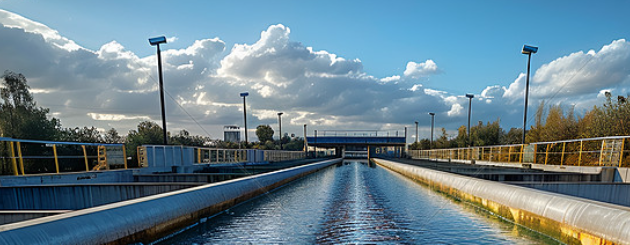
Potential Impacts of Chlorine Dioxide System Shutdowns on Disinfection Stability
An interruption or reduction in chlorine dioxide dosing can weaken the disinfection barrier and increase microbial risks. Giardia can be controlled under validated chlorine dioxide exposure conditions, while Cryptosporidium is notably resistant to conventional free chlorine. These organisms should not simply be grouped together as “chlorine-resistant.” Actual inactivation depends on disinfectant type, concentration, contact time, temperature and water quality.
Switching to free chlorine may change the formation of trihalomethanes and haloacetic acids depending on organic matter and dosing conditions. Chlorine dioxide treatment also requires attention to chlorite and chlorate. Insufficient residual may impair microbial control in distribution systems and increase biofilm-related risks. Plants should therefore monitor microorganisms, disinfectant residuals and relevant by-products in finished and distributed water in accordance with applicable standards, including China’s GB 5749—2022 where relevant; one chlorine dioxide residual measurement alone does not establish safety.
To manage these risks, utilities need validated treatment processes and an actionable emergency plan that limits water quality fluctuations during shutdowns.
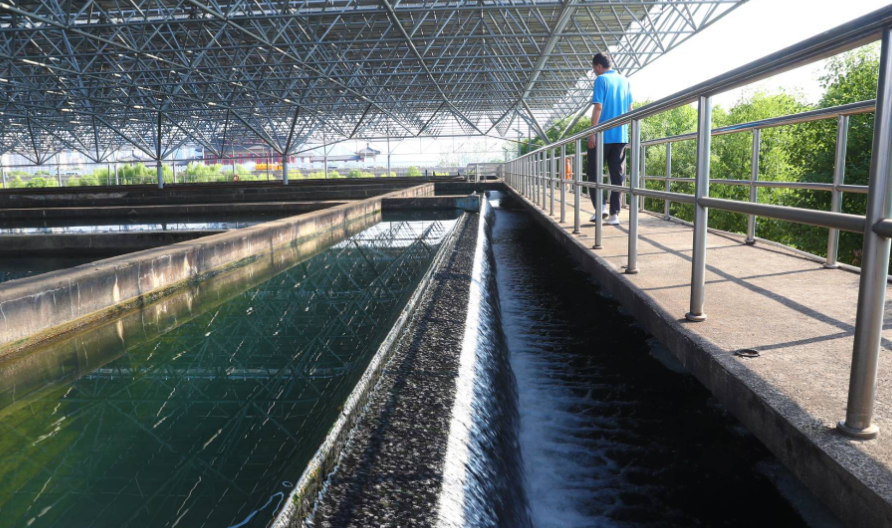
Key Technical Measures
Redundancy: Dual-System Backup
Reliability depends on redundancy appropriate to plant capacity and risk. Where feasible, an independent standby generation and dosing train should be installed, with regular testing of transfer logic, interlocks, alarms and standby capacity. Where a complete second train is impractical, priority spares may include metering pumps, valves, instruments and motive-water components. Chemicals must be stored according to equipment instructions and applicable safety requirements.
Backup power should be sized for actual loads and required runtime using a UPS or emergency generator; a UPS should not be assumed to support an entire plant indefinitely. PLC, sensor and communications failures also require fail-safe provisions. Automatic transfer must be verified against flow, dose and water-quality feedback rather than being described as inherently seamless.
Temporary Alternative Disinfection
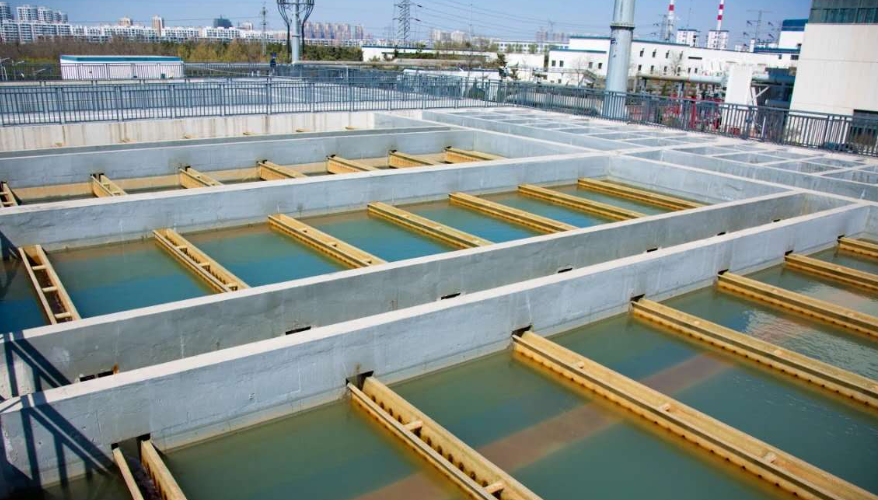
For an extended shutdown, the alternative treatment process should be established in advance based on existing infrastructure, process validation and regulatory requirements. Where permitted and properly equipped, utilities may assess sodium hypochlorite or other approved methods, verify dose and effective contact time, and monitor residual chlorine and by-products. Because gaseous chlorine entails significant safety controls, portable chlorine-gas dosing should not be presented as a universally suitable emergency option.
Existing UV systems can provide an additional microbial inactivation barrier when dose and UV transmittance are validated. However, UV provides no persistent residual in the distribution network and generally cannot replace residual-disinfectant control by itself. Alternative dosing locations must be chosen using mixing performance, hydraulic residence-time distribution, effective contact volume and monitoring points; the clearwell inlet is not always the correct choice.
Detailed Operations Management
Utilities should schedule preventive maintenance based on operating hours, failure history, instrument drift and component life, preferably during lower-demand periods. Standard procedures should specify responsibilities, shutdown authorization, chemical isolation, flushing, interlock checks, sampling points, escalation triggers and restart acceptance criteria. Operations and maintenance staff should maintain consistent, traceable records.
Optimization of Process Parameters
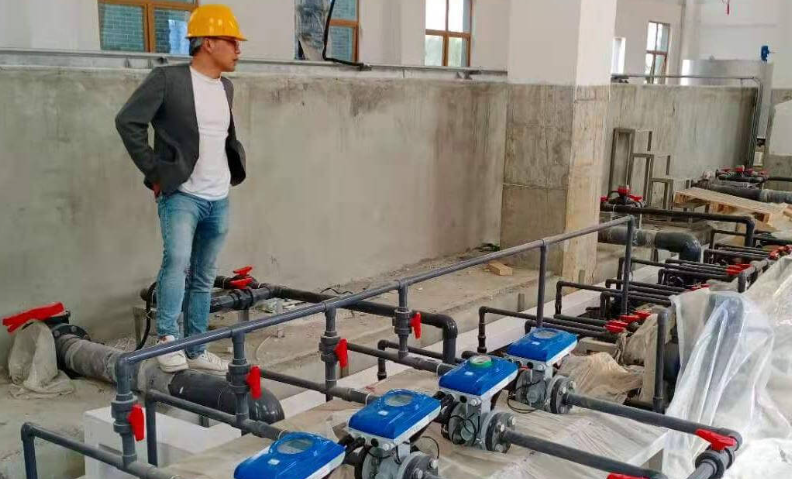
Before and after shutdown, coagulation, sedimentation and filtration should be optimized to reduce turbidity and disinfectant demand. The original article incorrectly presented finished-water turbidity below 0.3 NTU as a universal mandatory limit. Actual targets should follow applicable standards, plant design and validated site-specific operating objectives.
Disinfection performance should be evaluated using applicable concentration–contact time (CT) criteria, accounting for temperature, pH, hydraulic short-circuiting and effective contact volume. A blanket minimum of 30 minutes cannot replace pathogen- and process-specific validation. During transfer and restart, dosing should follow approved procedures without reducing the disinfection barrier to unsafe levels merely to achieve gradual changes.
Emergency Management During System Maintenance
Planned Maintenance
Planned work should begin with a risk assessment, standby-system trial, compatibility check for alternative chemicals and a monitoring plan. The original 72-hour assessment, 24-hour advance startup and 30-minute sampling interval are possible internal planning examples, not universal legal requirements. Actual timing depends on switching time, water storage, monitoring capacity and local rules. After maintenance, verify interlocks, dosing accuracy, residual disinfectant, microbial control and relevant by-products before returning to normal operation.
Unexpected Failures
When a failure occurs, immediately identify its scope, assess supply risks and activate backup disinfection and enhanced monitoring under the approved emergency plan. A 15-minute transfer target and sampling every 15–30 minutes may be site-specific goals, not guaranteed limits for every utility. If safe disinfection and water-quality compliance cannot be demonstrated, follow emergency supply procedures, potentially including isolating affected sections or restricting supply, and report to authorities and notify consumers as required.
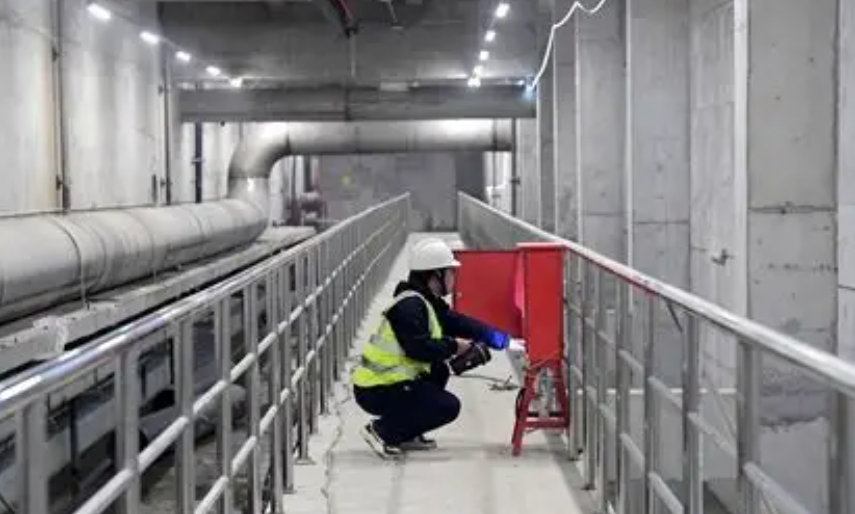
Maintenance and shutdowns cannot be eliminated entirely, but redundancy, validated processes, continuous monitoring and tiered response can reduce the risk of interrupted disinfection. The objective is not to promise zero risk, but to make timely, evidence-based decisions and protect drinking water safety during abnormal operation.
A shutdown of the chlorine dioxide system in a water plant can lead to risks such as decreased disinfection capacity, increased byproducts, biofilm growth, and water quality exceeding standards. Water quality can be ensured through redundancy backups, temporary alternative disinfection methods, refined operation and maintenance, and optimized process parameters. Corresponding emergency measures should be implemented for planned maintenance and unforeseen malfunctions to minimize the impact of shutdowns on disinfection stability.
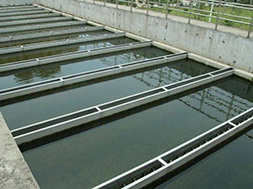
In remote rural areas, some water plants lack electricity due to grid limitations. They rely on three non-electric methods—gravity dripping, float pump, and manual dosing—to add disinfectant and disinfect drinking water. At the same time, they rationally select disinfectants based on the performance characteristics of different agents, using low-cost and practical technologies to safeguard the drinking water safety of rural residents and strengthen the foundation of rural revitalization and people's livelihood.
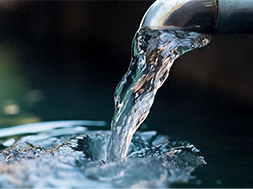
Tap water may momentarily fail to meet residual chlorine standards upon leaving the treatment plant, but the water coming out of the tap may still meet standards. This is because the water supply network has chlorination replenishment stations to add disinfectant, and the small amount of substandard water mixes and dilutes with a large amount of qualified water during transportation. Water supply relies on multiple layers of protection—water treatment at the treatment plant, network regulation, and end-point monitoring—to ensure the safety of water quality reaching households. Therefore, it is crucial to pay close attention to the water quality at the final point of contact (the point of contact with the tap).

Biofilm on the inner walls of water supply networks can easily cause secondary pollution. Excessive chlorine dioxide concentration can cause it to detach in large quantities, leading to turbidity in the water at the user's end. A comprehensive approach, including precise concentration control, optimized dosing methods, network flushing, enhanced water quality monitoring, and pipeline maintenance, can balance the effectiveness of biofilm management and ensure water supply safety.
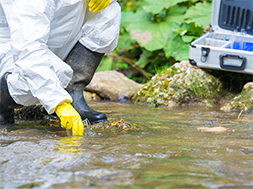
Excessive nitrate levels in drinking water can harm human health, especially threatening the health of infants and young children. Chlorine dioxide is only used for water disinfection and **cannot be used as a routine method for removing nitrates**. Reverse osmosis, ion exchange, and biological denitrification technologies can be used to remove nitrates. Boiling and activated carbon adsorption are ineffective in reducing nitrate levels, and regular water quality monitoring and maintenance are necessary after treatment.
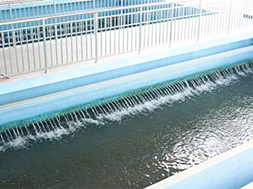
When water quality at the water plant is abnormal, a four-level emergency response is activated through real-time monitoring and alarms; the contaminated water source is cut off, a backup water source is activated, and targeted purification treatment is carried out according to the type of pollutant; water quality testing is intensified, and water supply is restored after the water meets the standards; information is simultaneously disclosed, and emergency water supply is allocated to key locations. A post-incident disinfection system is implemented, contingency plans are improved, and water source protection is strengthened to ensure the safety of urban water use.
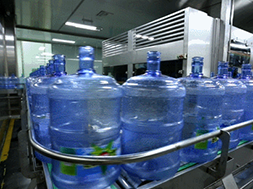
Chlorine dioxide is used for disinfection of bottled water, but its effectiveness is easily affected by high temperatures, light exposure, and storage time, leading to degradation and the production of harmful byproducts such as chlorite and chlorate. The quality of bottled water can be ensured through multi-party collaboration, including controlling the concentration at the factory, using light-blocking packaging, low-temperature storage and transportation, shortening distribution time, and other measures.
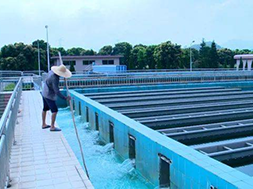
High temperatures can easily cause red nematodes to grow in secondary water supply tanks, which can be disinfected with chlorine dioxide; the tanks need to be cleaned regularly, and water should be drained before use, and any abnormalities should be reported immediately.
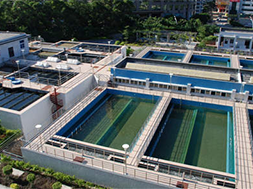
Sudden microbial contamination of water sources is characterized by rapid outbreaks, high difficulty in detection, and high health risks. Water plants can respond to contamination through various technical solutions, such as enhanced treatment using conventional processes, pretreatment combined with conventional processes, and advanced treatment. At the same time, they should follow the golden 4-hour emergency response process, carry out water quality testing, process adjustments, and safety verification in stages, and safeguard water supply safety by relying on technical means, real-time monitoring, and emergency drills.
Northeast of Huangshan Road and Chuangye Intersection, Small and Medium sized Enterprise Entrepreneurship Industrial Park, Shanwang Town, Linqu County, Weifang City, Shandong Province
Copyright © 2025 by Shandong Huashi Pharmaceutical Co., Ltd All Rights Reserved


 Language
 中文
 Русский
 Chlorine Dioxide Disinfectant Manufacturer