Welcome to Our Factory for a Visit! Free customized disinfection solutions
In drinking-water monitoring, it is occasionally possible to see a result in which residual chlorine in a plant outlet sample is below the required level, while a later sample or a sample taken at a different terminal point complies with the standard. This does not automatically mean that the data are wrong, nor should it be interpreted as the distribution network “self-purifying” non-compliant water into compliant water. A sound technical assessment must consider sampling time and location, supply dispatching, hydraulic conditions in the distribution system, and whether secondary chlorination is actually used.
First, two concepts need to be distinguished:
Plant outlet water is the water that has completed treatment and disinfection at the waterworks and is about to enter the municipal distribution network. It represents the quality of water leaving the treatment plant and is an important control point for drinking-water safety.
Terminal water is a sample collected at the consumer end or at a designated terminal monitoring point after the water has travelled through the municipal distribution network. It reflects water quality at a specific place and at a specific time.
Under the current Chinese Standard for Drinking Water Quality, GB 5749-2022, when chlorine, sodium hypochlorite or calcium hypochlorite is used for disinfection, the contact time for free chlorine must be at least 30 minutes, the residual at the plant outlet must be at least 0.3 mg/L, and the terminal residual must be at least 0.05 mg/L; free chlorine at both the outlet and terminal points must not exceed 2 mg/L. In other words, the outlet and terminal points have independent compliance requirements. A compliant terminal sample cannot retroactively prove that an earlier low outlet result was acceptable. When the two sets of data appear contradictory, operating and sampling conditions should be investigated.
Truth 1: A Dynamic Journey and the Possible “Refuelling Stations” Along the Way
A large municipal distribution network can be viewed as a constantly changing conveyance system. After water leaves the treatment plant, it experiences different flow velocities, residence times, temperatures, pipe materials and demand patterns, so disinfectant residuals can change during transport.
1. Control at the starting point, the waterworks: residual chlorine in plant outlet water is an important parameter that must be controlled. If a result is below the applicable standard, even if it is only a short-term fluctuation, it should be investigated as a non-compliant monitoring result. The chlorination equipment, dose, source-water quality, contact time, online instruments and manual test results should be checked. A later compliant terminal result does not cancel the earlier outlet result.
2. Consumption in the distribution network: chlorine-based disinfectants react with oxidizable substances in the water, pipe-wall deposits and biofilms, and they gradually decay with time, temperature and hydraulic conditions. Residual chlorine therefore generally decreases as water travels from the plant toward the network extremities. A reasonable decline is expected, but unusually rapid decay may indicate excessive disinfectant demand, long residence time or problems within the distribution system and should be investigated.
3. Secondary chlorination: some long-distance, large-scale or hydraulically complex systems install booster chlorination facilities where operationally necessary. If a particular network actually has such facilities, the downstream residual may rise after booster dosing, so a lower upstream value at one time and a compliant downstream value at another time can occur. Booster chlorination, however, is not a universal feature of all water-supply systems, and any explanation based on it must be supported by actual operating records.
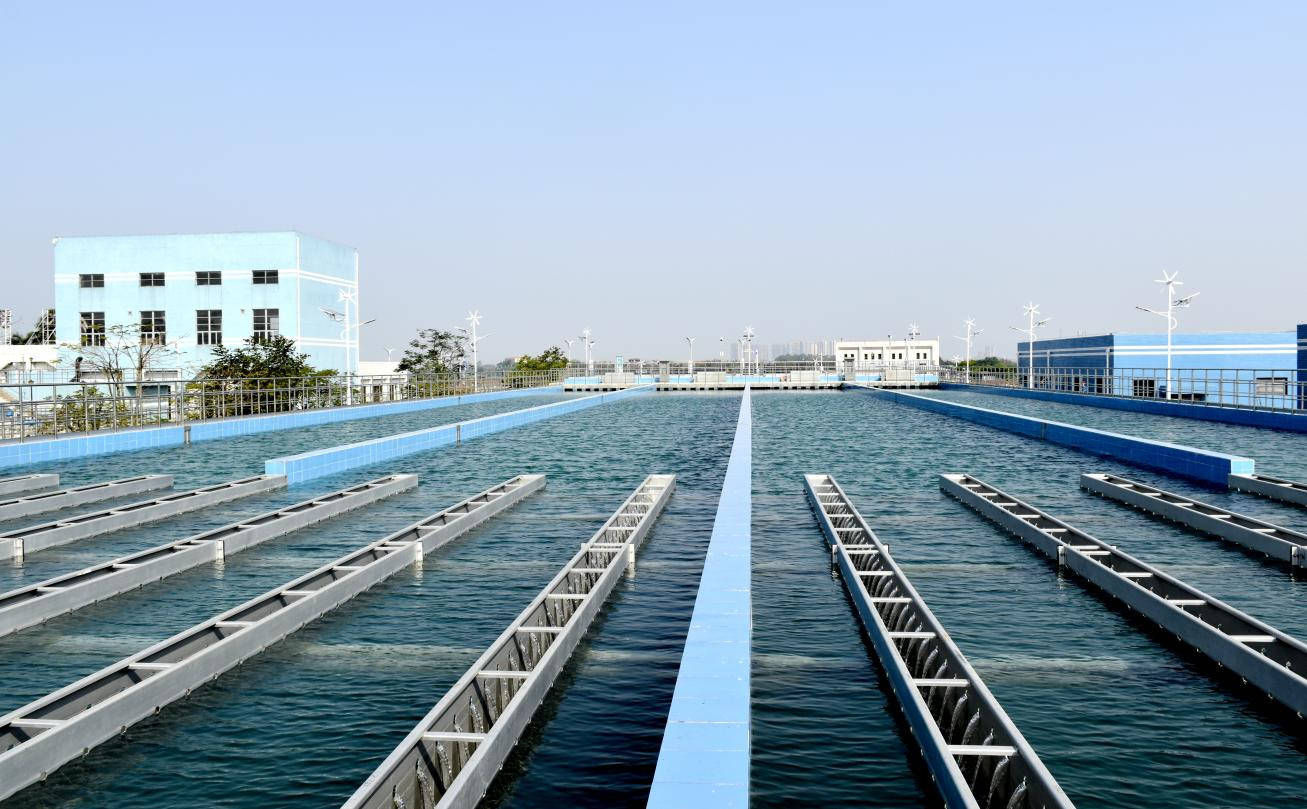
Therefore, when a plant outlet sample is below the residual chlorine requirement but a later terminal sample complies, one possible explanation is genuine booster chlorination within the network. Other possibilities include the two samples not representing the same parcel of water, differences in sampling time, changes in system dispatching, or analytical error. Only by matching the sampling times with hydraulic residence time, booster-dosing records and monitoring records can the comparability of the two results be determined.
The situation should therefore not be described simply as a normal consequence of time and distance, and a compliant terminal result should not be treated as an automatic correction of an outlet failure. The correct approach is to retain and investigate the low outlet result while also confirming that terminal water remains consistently compliant.
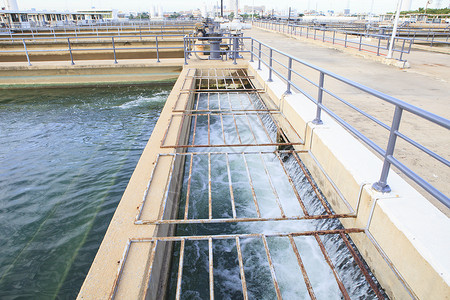
Truth 2: Sampling in Time and Space and Hydraulic Mixing
A drinking-water distribution network is not a single pipe running directly from the treatment plant to the consumer. It is a complex system of trunk mains, branches, reservoirs, tanks, pumping stations and demand nodes. Samples collected at different points may contain different proportions of water and have different residence times, so a direct causal conclusion cannot be drawn simply from their numerical values.
During continuous plant operation, a low residual chlorine value at one moment may be a short-term fluctuation or may reflect a genuine dosing or measurement problem. Once water enters the network, it can mix with water from earlier and later periods and from different branches, so the residual at a downstream point may differ from a single instantaneous sample taken at the plant. Hydraulic mixing explains why two samples can differ, but it does not change whether the plant outlet sample complied at the moment it was collected.
The distribution network is better understood as a continuously moving and mixing system. A terminal sample is not necessarily the unchanged continuation of a particular earlier outlet sample; it may represent a mixture of water from several time periods and flow paths. To determine whether a particular low outlet result corresponds to a particular terminal sample, flow, direction, residence time and dispatching records should be used for hydraulic tracing rather than assuming that the non-compliant value was simply “averaged away” by a large volume of compliant water.
It is also important to note that a routine terminal-water test is normally a spot or short-duration sample collected at one place and one time; it does not inherently represent the average water quality over a longer period. Long-term stability should be assessed through continuous monitoring or a sufficiently representative monitoring programme, not from a single compliant sample.
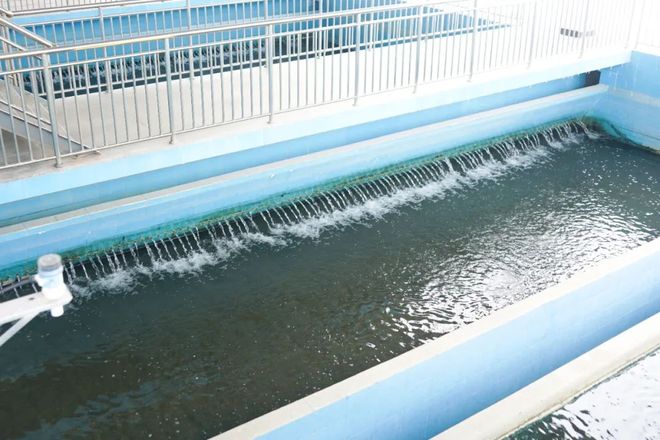
Truth 3: What a Multi-Barrier Protection System Really Means
The objective of drinking-water safety is not to choose between outlet-water compliance and terminal-water compliance. Every critical stage—from treatment and outlet control to distribution and the consumer end—should meet its applicable health and operational requirements. Compliant outlet water is the essential starting point before entering the network, while compliant terminal water verifies that water remains safe after distribution; neither can substitute for the other.
Modern water-supply systems therefore rely on whole-process, multi-barrier protection. Each barrier has a distinct role and its own control indicators that must be checked independently.
The first barrier is treatment and disinfection control at the waterworks. Stable treatment, disinfection and online monitoring should ensure that water already meets the applicable standard when it leaves the plant, rather than relying on the downstream network to “correct” non-compliant outlet water.
The second barrier is distribution-system operation, monitoring and, where necessary, booster chlorination. Water-quality monitoring, pressure and flow management, flushing and maintenance, together with secondary chlorination where genuinely required, help control disinfectant decay and reduce the risk of secondary contamination.
The third barrier is terminal-water monitoring. It confirms that water remains compliant after travelling through the distribution network and helps identify local problems such as excessive residence time, insufficient residual disinfectant, secondary contamination or other abnormalities.
Accordingly, a low residual chlorine result at the plant outlet and a compliant terminal result from another sample do not by themselves prove either that the water-supply system has failed or that it is operating perfectly. They should be treated as a monitoring signal that requires trace-back: the temporal and hydraulic relationship between the samples should be checked, together with disinfectant dosing, online instruments, laboratory measurements, network dispatching and booster-chlorination records, until the cause of the discrepancy is understood and addressed.
When apparently contradictory data are encountered, conclusions should therefore not be drawn from a single result. One low outlet result should not automatically be taken to mean that the entire supply system is unsafe, but a compliant terminal result should not be used to dismiss a confirmed outlet non-compliance either. A scientific assessment combines the standard requirements, monitoring data and actual operating conditions.
What ultimately matters is whether the entire chain from the plant outlet to the terminal point remains under effective control and continuously meets the applicable standards. Only when outlet water, network conditions and terminal water show stable long-term performance, with abnormalities promptly investigated and corrected, can the water-supply system be considered to be reliably protecting drinking-water safety.
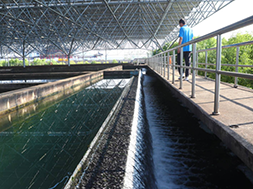
A shutdown of the chlorine dioxide system in a water plant can lead to risks such as decreased disinfection capacity, increased byproducts, biofilm growth, and water quality exceeding standards. Water quality can be ensured through redundancy backups, temporary alternative disinfection methods, refined operation and maintenance, and optimized process parameters. Corresponding emergency measures should be implemented for planned maintenance and unforeseen malfunctions to minimize the impact of shutdowns on disinfection stability.
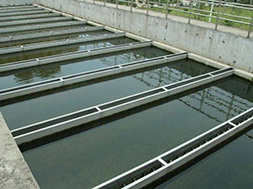
In remote rural areas, some water plants lack electricity due to grid limitations. They rely on three non-electric methods—gravity dripping, float pump, and manual dosing—to add disinfectant and disinfect drinking water. At the same time, they rationally select disinfectants based on the performance characteristics of different agents, using low-cost and practical technologies to safeguard the drinking water safety of rural residents and strengthen the foundation of rural revitalization and people's livelihood.
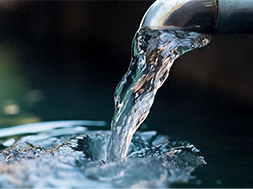
Tap water may momentarily fail to meet residual chlorine standards upon leaving the treatment plant, but the water coming out of the tap may still meet standards. This is because the water supply network has chlorination replenishment stations to add disinfectant, and the small amount of substandard water mixes and dilutes with a large amount of qualified water during transportation. Water supply relies on multiple layers of protection—water treatment at the treatment plant, network regulation, and end-point monitoring—to ensure the safety of water quality reaching households. Therefore, it is crucial to pay close attention to the water quality at the final point of contact (the point of contact with the tap).

Biofilm on the inner walls of water supply networks can easily cause secondary pollution. Excessive chlorine dioxide concentration can cause it to detach in large quantities, leading to turbidity in the water at the user's end. A comprehensive approach, including precise concentration control, optimized dosing methods, network flushing, enhanced water quality monitoring, and pipeline maintenance, can balance the effectiveness of biofilm management and ensure water supply safety.
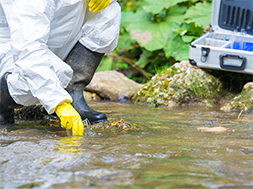
Excessive nitrate levels in drinking water can harm human health, especially threatening the health of infants and young children. Chlorine dioxide is only used for water disinfection and **cannot be used as a routine method for removing nitrates**. Reverse osmosis, ion exchange, and biological denitrification technologies can be used to remove nitrates. Boiling and activated carbon adsorption are ineffective in reducing nitrate levels, and regular water quality monitoring and maintenance are necessary after treatment.
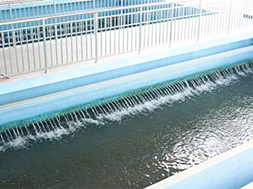
When water quality at the water plant is abnormal, a four-level emergency response is activated through real-time monitoring and alarms; the contaminated water source is cut off, a backup water source is activated, and targeted purification treatment is carried out according to the type of pollutant; water quality testing is intensified, and water supply is restored after the water meets the standards; information is simultaneously disclosed, and emergency water supply is allocated to key locations. A post-incident disinfection system is implemented, contingency plans are improved, and water source protection is strengthened to ensure the safety of urban water use.
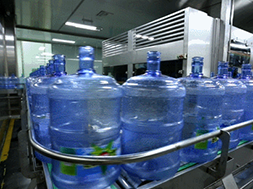
Chlorine dioxide is used for disinfection of bottled water, but its effectiveness is easily affected by high temperatures, light exposure, and storage time, leading to degradation and the production of harmful byproducts such as chlorite and chlorate. The quality of bottled water can be ensured through multi-party collaboration, including controlling the concentration at the factory, using light-blocking packaging, low-temperature storage and transportation, shortening distribution time, and other measures.
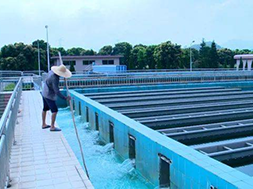
High temperatures can easily cause red nematodes to grow in secondary water supply tanks, which can be disinfected with chlorine dioxide; the tanks need to be cleaned regularly, and water should be drained before use, and any abnormalities should be reported immediately.
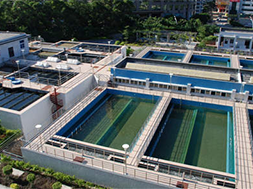
Sudden microbial contamination of water sources is characterized by rapid outbreaks, high difficulty in detection, and high health risks. Water plants can respond to contamination through various technical solutions, such as enhanced treatment using conventional processes, pretreatment combined with conventional processes, and advanced treatment. At the same time, they should follow the golden 4-hour emergency response process, carry out water quality testing, process adjustments, and safety verification in stages, and safeguard water supply safety by relying on technical means, real-time monitoring, and emergency drills.
Northeast of Huangshan Road and Chuangye Intersection, Small and Medium sized Enterprise Entrepreneurship Industrial Park, Shanwang Town, Linqu County, Weifang City, Shandong Province
Copyright © 2025 by Shandong Huashi Pharmaceutical Co., Ltd All Rights Reserved


 Language
 中文
 Русский
 Chlorine Dioxide Disinfectant Manufacturer