Welcome to Our Factory for a Visit! Free customized disinfection solutions
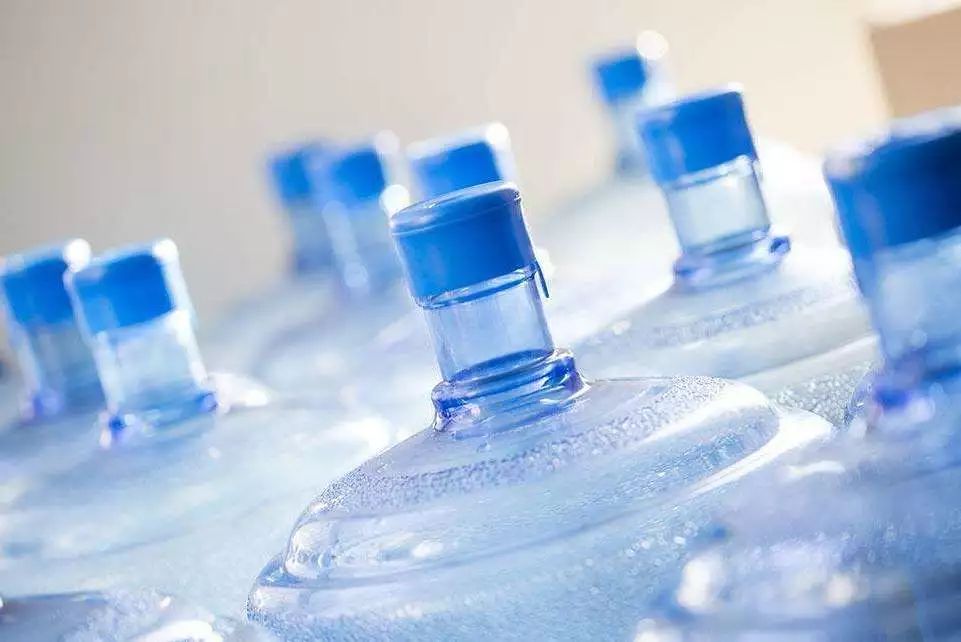
Packaged drinking water is widely used in homes and offices because of its convenience. However, after production and filling, the product still passes through storage, transportation, distribution and retail. During this period, temperature, light exposure, storage time and water chemistry can influence the residual chlorine dioxide concentration and the formation or persistence of related transformation products. For manufacturers, the key issue is not to maintain an arbitrarily high disinfectant residual throughout shelf life, but to ensure that the disinfection process is validated and that the finished product continues to comply with the applicable packaged-drinking-water requirements.
Chlorine Dioxide: An Effective Disinfectant with Important Control Boundaries
Chlorine dioxide (ClO2) is a strong oxidizing disinfectant that may be used in drinking-water treatment when the product and process are suitable for that purpose. It inactivates microorganisms through oxidation of proteins, sulfur-containing amino acids, membrane-associated structures and other key cellular components. Compared with free chlorine, chlorine dioxide generally forms lower amounts of some typical halogenated organic disinfection by-products under suitable conditions, but it should not be described as producing virtually no harmful by-products or as being universally more effective than chlorine. The actual disinfection performance depends on concentration, contact time, temperature, water quality and the target microorganism.
Chlorine dioxide also has an important operational characteristic: it is reactive and its residual concentration can decline after treatment. During generation, dosing, storage and subsequent distribution, chlorine dioxide can be transformed into chlorite, chlorate and other species depending on the generation route and water chemistry. These transformation products require appropriate control. For packaged drinking water in China, the finished product should primarily comply with the applicable food-safety standard for packaged drinking water, while source water and process water must also meet the corresponding requirements.
How Environmental Conditions Affect Chlorine Dioxide Decay
After packaged water leaves the production line, chlorine dioxide decay may continue. The rate is not fixed and depends on the initial dose, water composition, package characteristics, temperature, light exposure and storage time.
1. Temperature - higher temperatures can accelerate chlorine dioxide loss, but there is no universal rule that every 10°C increase makes decay exactly two to three times faster. The actual relationship depends on water chemistry, residual concentration and storage conditions. High-temperature warehouses, vehicles exposed to direct sun and prolonged storage in hot retail areas can increase the rate of disinfectant decay and should therefore be avoided where practicable.
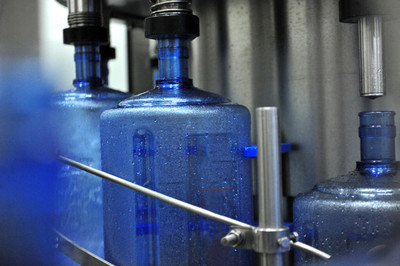
2. Light - chlorine dioxide is photosensitive, and direct sunlight can accelerate photochemical decomposition. Transparent or translucent containers may transmit part of the incident light, so prolonged exposure to strong sunlight should be avoided during storage, transport and retail. However, a fixed statement that sunlight always causes decay five to eight times faster than dark storage is not suitable as a universal technical conclusion unless the test conditions are clearly defined.
3. Time - even under controlled storage conditions, chlorine dioxide residual can decrease over time because it continues to react with water constituents and undergo chemical transformation. The decay curve is specific to the product and process. Therefore, shelf-life management should be based on finished-product validation and stability data rather than assuming that a specific chlorine dioxide residual must remain throughout the entire circulation period.
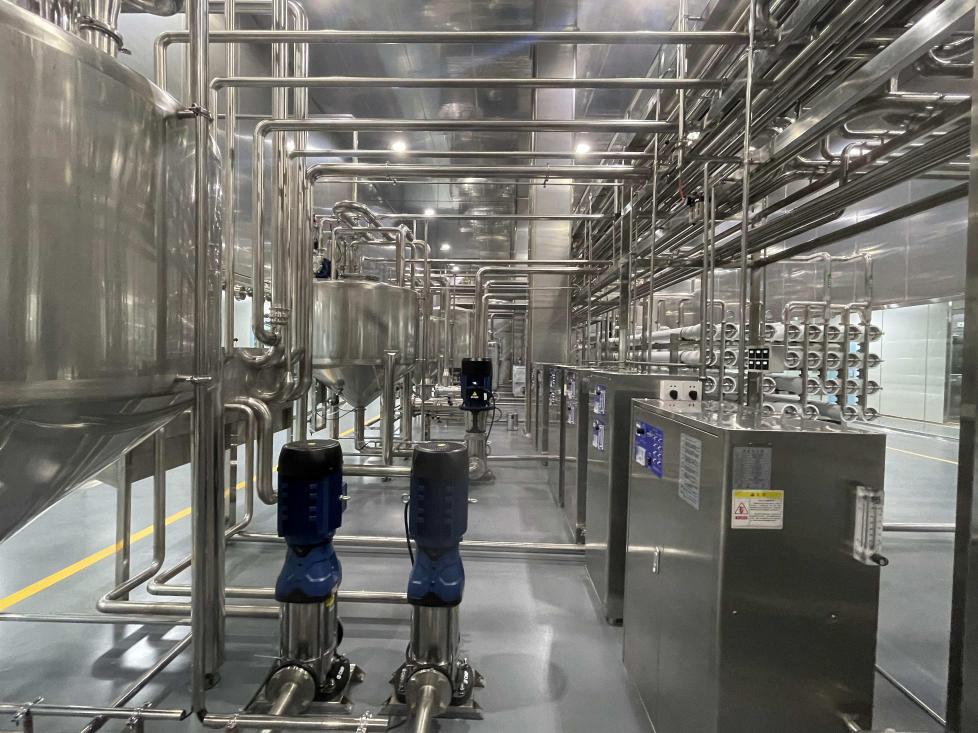
Continued Formation and Persistence of Transformation Products
As chlorine dioxide is consumed or decomposes, related inorganic transformation products may remain in the water. Their concentrations depend on the generation chemistry, applied dose, water quality, reaction conditions and storage environment.
1. Chlorite and chlorate are important inorganic species associated with chlorine dioxide treatment. Chlorite is a major reduction product of chlorine dioxide, while chlorate may arise from the generation process, disproportionation or other transformation pathways. These substances may persist after the chlorine dioxide residual has declined, which is why their concentrations should be controlled according to the applicable drinking-water and process requirements.
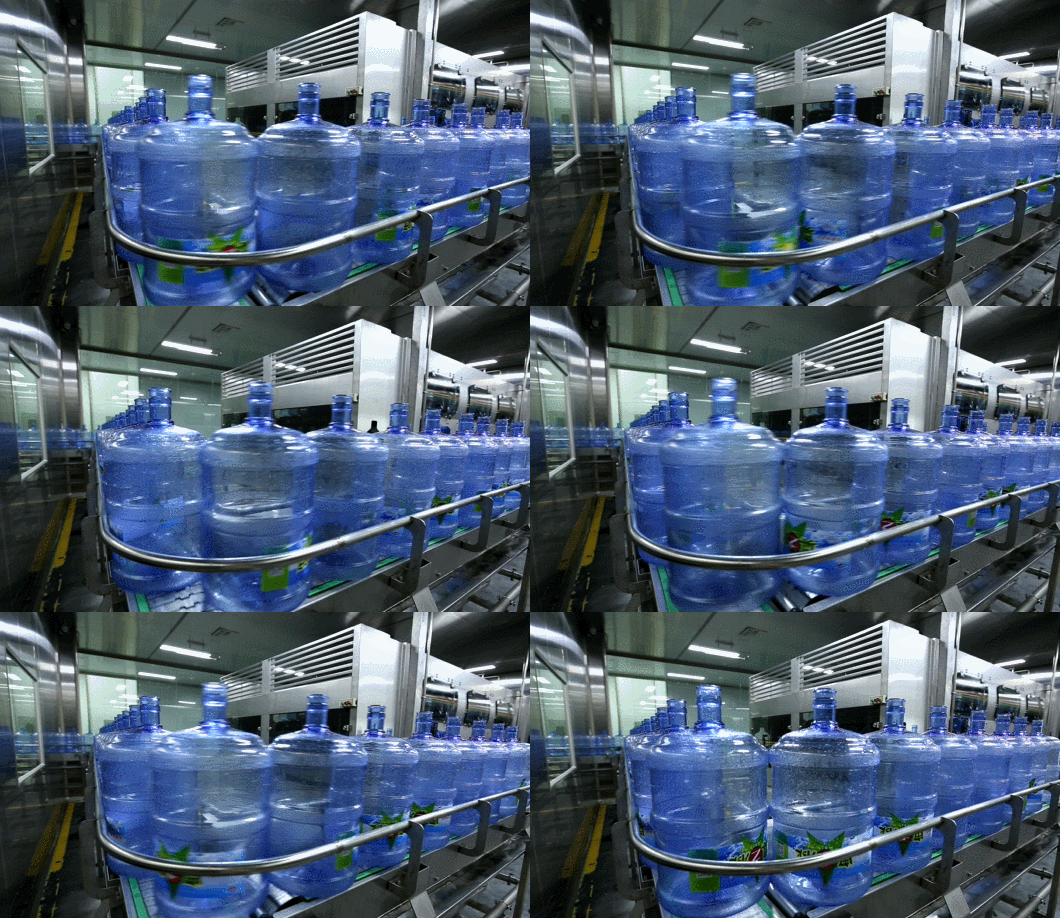
2. Temperature and light can influence chlorine dioxide stability and may alter the rate and pathway of transformation reactions. However, it is not appropriate to state that high temperature will always convert chlorine dioxide into chlorite and chlorate at a fixed rate. The direction and magnitude of change depend on the complete water chemistry and storage conditions.
3. Organic reaction products also require a balanced interpretation. Chlorine dioxide reacts selectively with certain natural organic matter and, compared with free chlorine, generally reduces the formation of some typical halogenated organic by-products. Nevertheless, oxidation can generate other organic intermediates or products, and their significance depends on the source-water composition and treatment conditions. Therefore, the advantage of chlorine dioxide should be described as a different by-product profile rather than “no harmful by-products.”
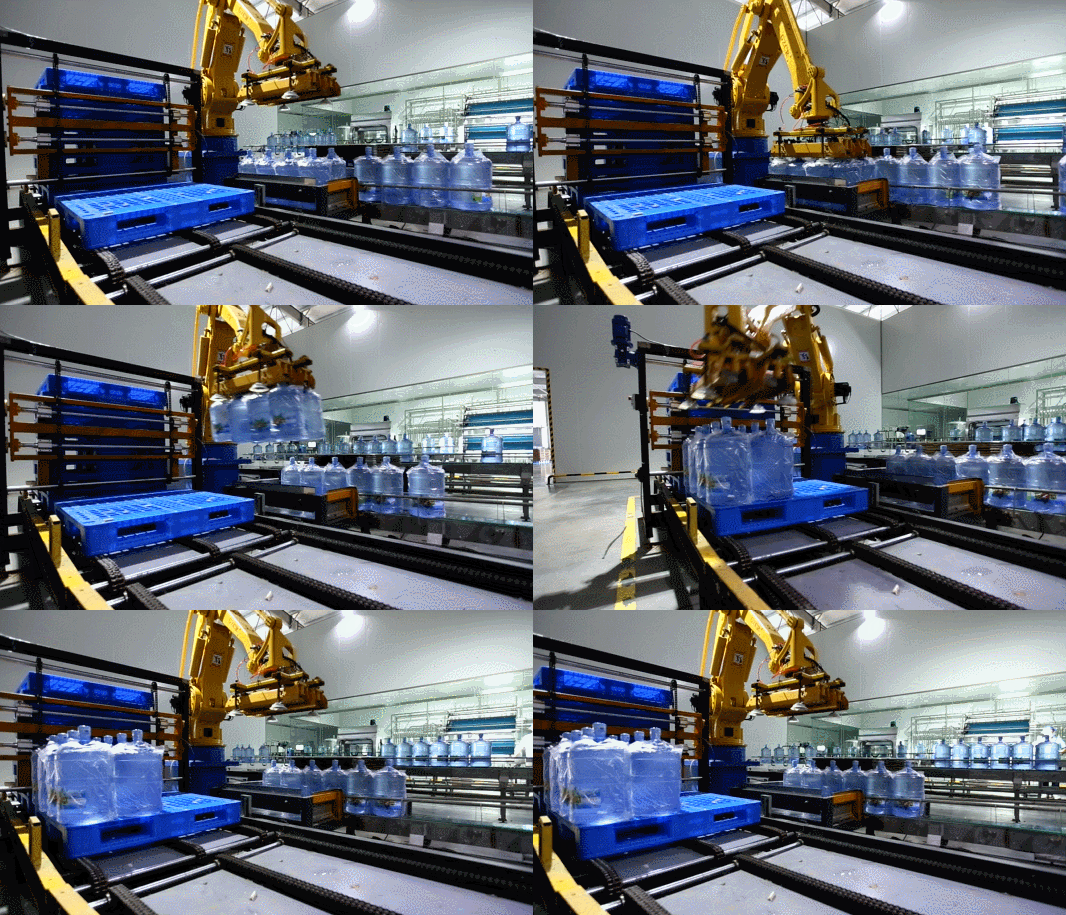
Scientific Use of Chlorine Dioxide: Balancing Disinfection and Finished-Product Quality
To obtain reliable disinfection while minimizing unnecessary residual oxidant and transformation products, manufacturers should manage chlorine dioxide as part of a validated treatment process rather than relying on one fixed concentration.
1. Dose according to actual process demand. The production process should determine the chlorine dioxide dose and contact time from source-water quality, treatment objectives, validated microbial performance and the specific product instructions. A fixed finished-product concentration of 0.1-0.5 mg/L should not be presented as a universal optimum for packaged drinking water. The residual requirements in GB 5749-2022 are designed for drinking-water supply systems and should not simply be copied as a shelf-life target for bottled or barreled finished products. Finished packaged drinking water should meet the applicable GB 19298 requirements and the manufacturer’s validated process controls.
2. Packaging and light exposure should be managed scientifically. Packaging must comply with food-contact and packaged-water requirements, and manufacturers should evaluate light transmission, sealing performance and material compatibility with the product. Improving light protection may help reduce photochemical reactions, but it is not necessary to conclude that all packaged water should use dark or completely opaque containers. More importantly, finished products should be protected from prolonged direct sunlight during storage and sales.
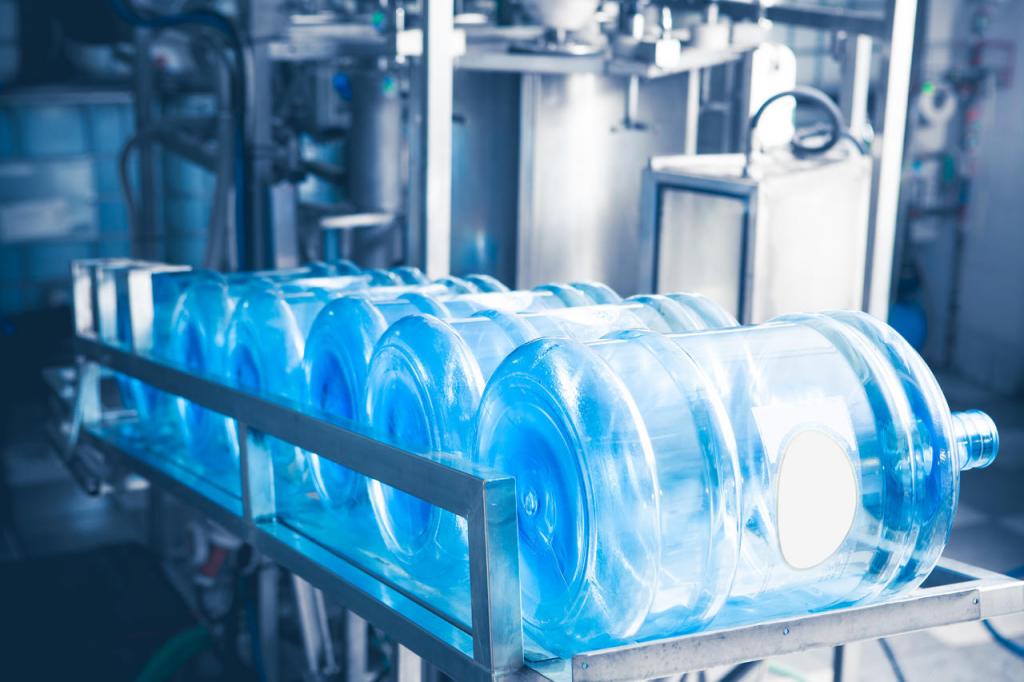
3. Temperature management should focus on avoiding excessive heat rather than treating bottled water as a mandatory cold-chain product. Storage and transportation conditions should follow the applicable food-safety and product requirements, with particular attention to preventing prolonged exposure to high temperatures and direct sunlight. A universal requirement to keep all packaged water below 25°C is not technically justified unless it is supported by the specific product’s stability validation.
4. Inventory turnover and shelf-life control remain important. First-in, first-out management can reduce unnecessary storage time and help keep product quality within the validated shelf-life conditions. However, the objective is not to guarantee that consumers will always receive a particular chlorine dioxide residual. Product release and shelf-life management should be based on compliance of the finished water, microbial control, relevant chemical indicators and validated stability data.
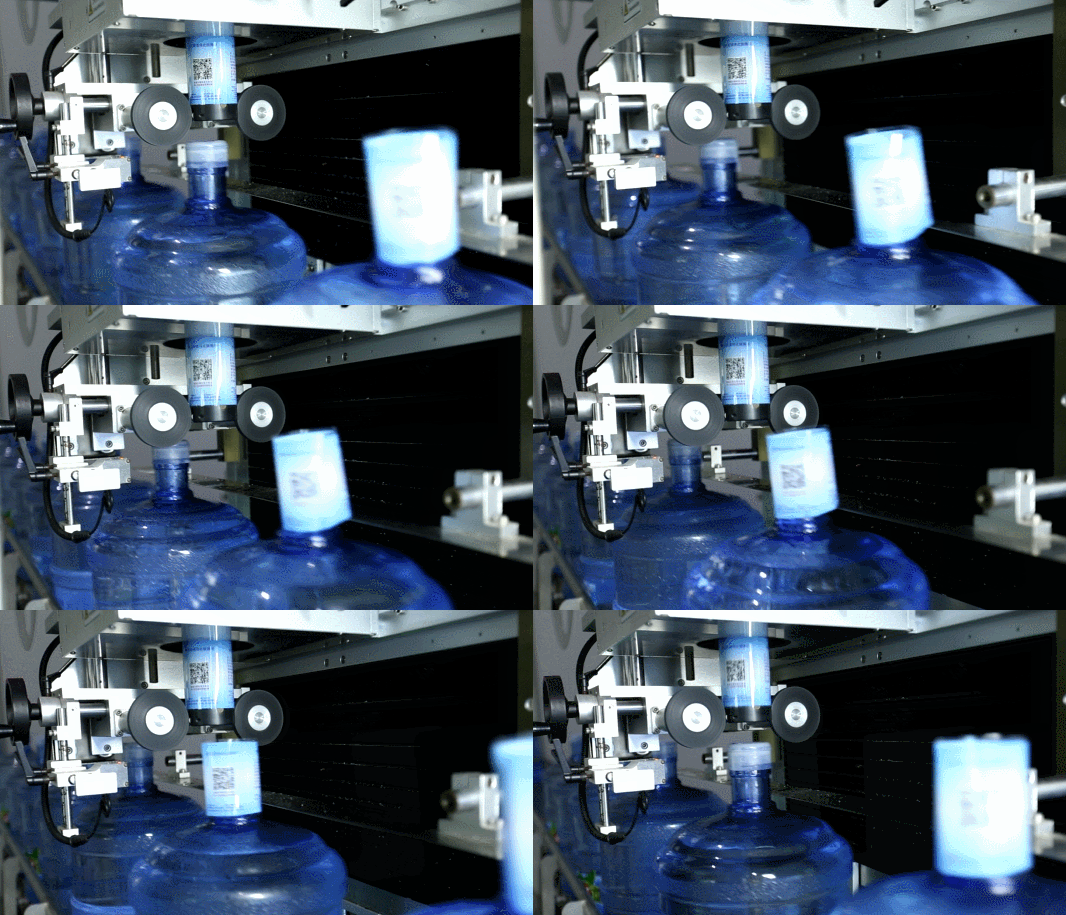
Chlorine dioxide decay and the behavior of its transformation products in packaged drinking water are dynamic processes influenced by water chemistry, dose, temperature, light, packaging and time. Scientific chlorine dioxide use therefore requires coordinated control from water treatment and filling through storage and distribution. The core principle is to validate the disinfection process, avoid unnecessary overdosing, control relevant transformation products, prevent excessive heat and sunlight exposure, and verify that the finished product complies with applicable packaged-drinking-water requirements throughout its shelf life.
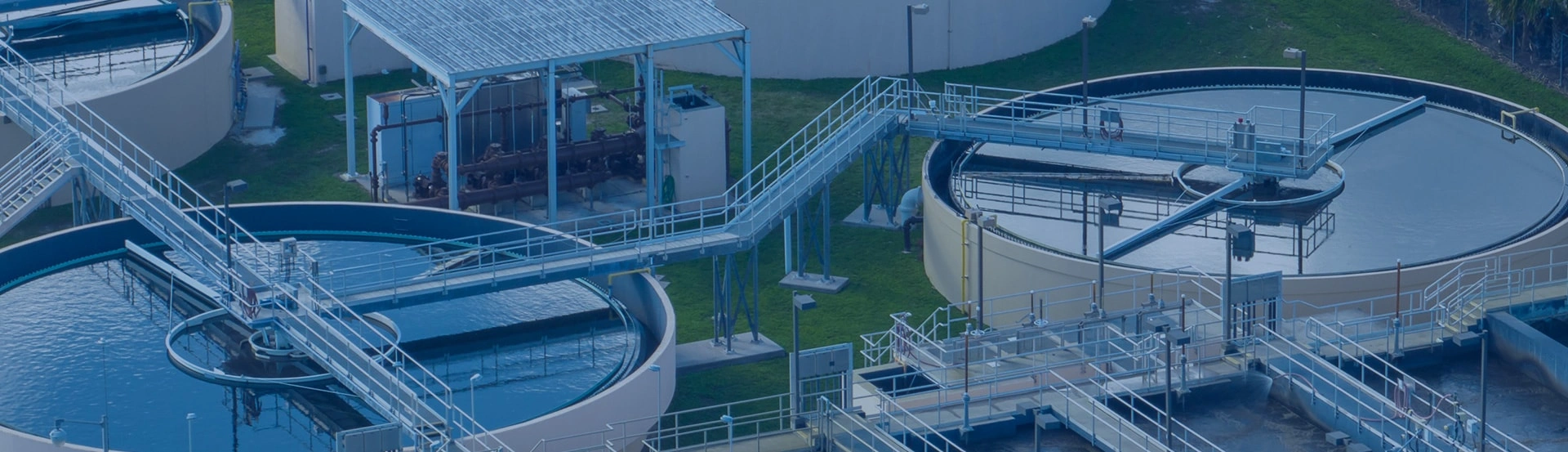
A shutdown of the chlorine dioxide system in a water plant can lead to risks such as decreased disinfection capacity, increased byproducts, biofilm growth, and water quality exceeding standards. Water quality can be ensured through redundancy backups, temporary alternative disinfection methods, refined operation and maintenance, and optimized process parameters. Corresponding emergency measures should be implemented for planned maintenance and unforeseen malfunctions to minimize the impact of shutdowns on disinfection stability.
In remote rural areas, some water plants lack electricity due to grid limitations. They rely on three non-electric methods—gravity dripping, float pump, and manual dosing—to add disinfectant and disinfect drinking water. At the same time, they rationally select disinfectants based on the performance characteristics of different agents, using low-cost and practical technologies to safeguard the drinking water safety of rural residents and strengthen the foundation of rural revitalization and people's livelihood.
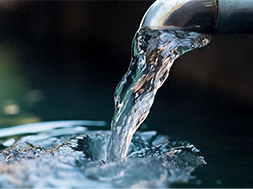
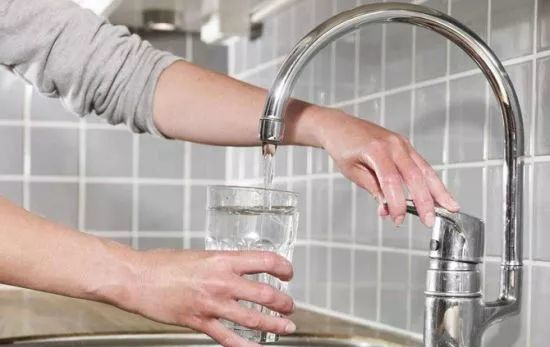
Tap water may momentarily fail to meet residual chlorine standards upon leaving the treatment plant, but the water coming out of the tap may still meet standards. This is because the water supply network has chlorination replenishment stations to add disinfectant, and the small amount of substandard water mixes and dilutes with a large amount of qualified water during transportation. Water supply relies on multiple layers of protection—water treatment at the treatment plant, network regulation, and end-point monitoring—to ensure the safety of water quality reaching households. Therefore, it is crucial to pay close attention to the water quality at the final point of contact (the point of contact with the tap).
Biofilm on the inner walls of water supply networks can easily cause secondary pollution. Excessive chlorine dioxide concentration can cause it to detach in large quantities, leading to turbidity in the water at the user's end. A comprehensive approach, including precise concentration control, optimized dosing methods, network flushing, enhanced water quality monitoring, and pipeline maintenance, can balance the effectiveness of biofilm management and ensure water supply safety.
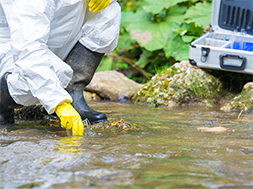
Excessive nitrate levels in drinking water can harm human health, especially threatening the health of infants and young children. Chlorine dioxide is only used for water disinfection and **cannot be used as a routine method for removing nitrates**. Reverse osmosis, ion exchange, and biological denitrification technologies can be used to remove nitrates. Boiling and activated carbon adsorption are ineffective in reducing nitrate levels, and regular water quality monitoring and maintenance are necessary after treatment.
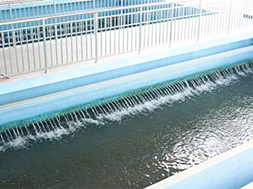
When water quality at the water plant is abnormal, a four-level emergency response is activated through real-time monitoring and alarms; the contaminated water source is cut off, a backup water source is activated, and targeted purification treatment is carried out according to the type of pollutant; water quality testing is intensified, and water supply is restored after the water meets the standards; information is simultaneously disclosed, and emergency water supply is allocated to key locations. A post-incident disinfection system is implemented, contingency plans are improved, and water source protection is strengthened to ensure the safety of urban water use.
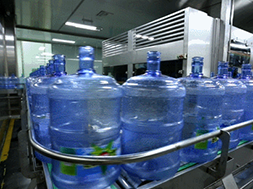
Chlorine dioxide is used for disinfection of bottled water, but its effectiveness is easily affected by high temperatures, light exposure, and storage time, leading to degradation and the production of harmful byproducts such as chlorite and chlorate. The quality of bottled water can be ensured through multi-party collaboration, including controlling the concentration at the factory, using light-blocking packaging, low-temperature storage and transportation, shortening distribution time, and other measures.
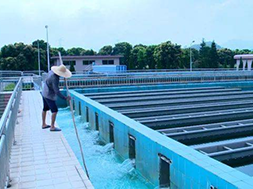
High temperatures can easily cause red nematodes to grow in secondary water supply tanks, which can be disinfected with chlorine dioxide; the tanks need to be cleaned regularly, and water should be drained before use, and any abnormalities should be reported immediately.
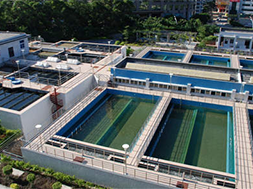
Sudden microbial contamination of water sources is characterized by rapid outbreaks, high difficulty in detection, and high health risks. Water plants can respond to contamination through various technical solutions, such as enhanced treatment using conventional processes, pretreatment combined with conventional processes, and advanced treatment. At the same time, they should follow the golden 4-hour emergency response process, carry out water quality testing, process adjustments, and safety verification in stages, and safeguard water supply safety by relying on technical means, real-time monitoring, and emergency drills.
Northeast of Huangshan Road and Chuangye Intersection, Small and Medium sized Enterprise Entrepreneurship Industrial Park, Shanwang Town, Linqu County, Weifang City, Shandong Province
Copyright © 2025 by Shandong Huashi Pharmaceutical Co., Ltd All Rights Reserved


 Language
 中文
 Русский
 Chlorine Dioxide Disinfectant Manufacturer