Welcome to Our Factory for a Visit! Free customized disinfection solutions
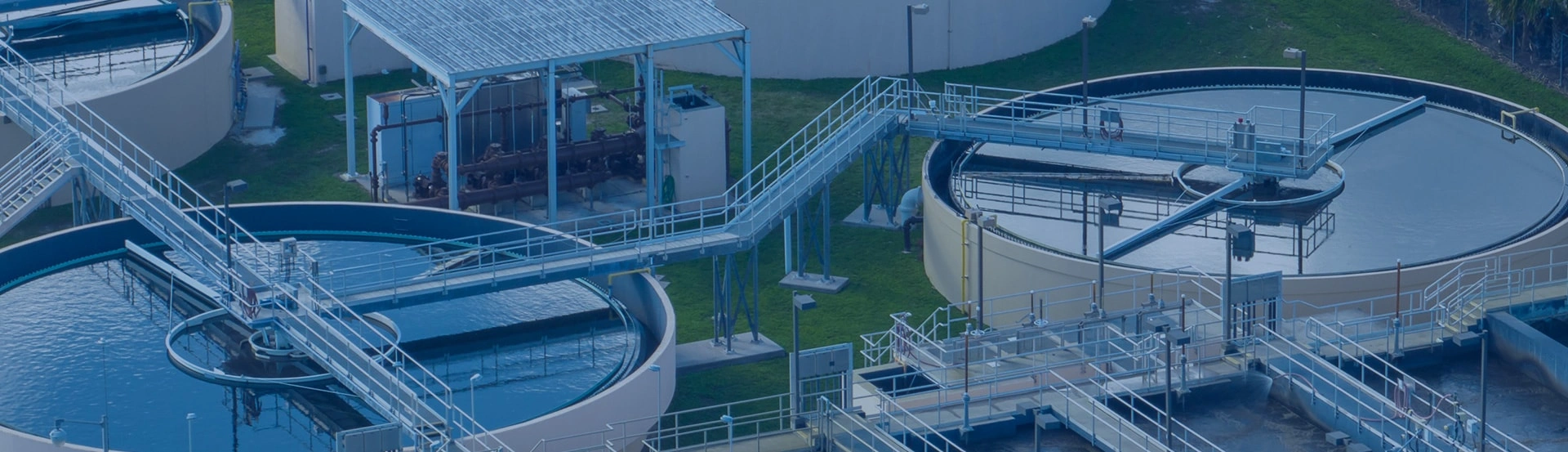
When a source-water contamination alert is issued, a drinking-water treatment plant must quickly determine what has changed, whether the intake is still safe to operate, and which treatment barriers need to be strengthened. The real challenge is not simply “adding more disinfectant,” but coordinating source control, particle removal, filtration, disinfection, monitoring, and verification. In microbial emergencies, speed matters, but decisions must still be based on evidence and validated process limits.
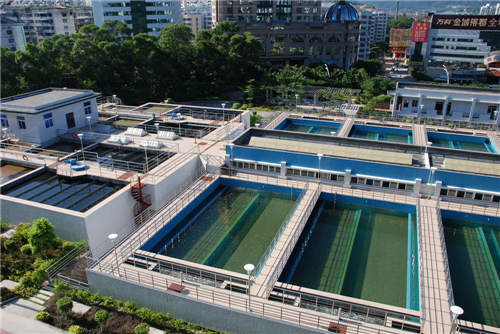
Microbial Contamination: A Hidden Risk That Can Escalate Quickly
Why can microbial contamination become an emergency for a water treatment plant?
A contamination event can develop rapidly because heavy rainfall, sewage releases, upstream incidents, or hydraulic disturbances may transport pathogens toward the intake within a short period. Viruses do not multiply independently in source water; the apparent “rapid outbreak” is usually caused by rapid transport, increased loading, and delayed detection.
Normal turbidity does not necessarily mean microbiological safety. Some pathogens, including Cryptosporidium and Giardia, require specialized concentration and detection methods, and routine online instruments cannot directly confirm their absence.
The health risk depends on the pathogen, exposure dose, and population. Norovirus can be infectious at a very low dose, while Cryptosporidium can cause particularly serious disease in immunocompromised people. For this reason, emergency response should focus on verified source conditions, treatment-barrier performance, and microbiological evidence rather than fixed “infectious-dose” or mortality figures.
Three Typical Treatment Trains for Responding to Source-Water Microbial Contamination
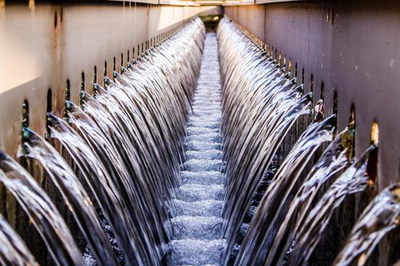
First Treatment Train: Reinforcing a Conventional Process
Basic process: coagulation → sedimentation → rapid filtration → disinfection.
When the microbial loading increases, a conventional plant should strengthen each existing barrier rather than rely on a single emergency chemical dose.
1. Strengthen Physical Removal
Coagulation: improve particle and microorganism removal
Coagulant dosage should be optimized through jar testing, raw-water turbidity, organic matter, alkalinity, temperature, and actual flocculation performance. A fixed 30–50% dosage increase should not be treated as a universal emergency rule.
Where an approved polymer aid is appropriate for the plant and raw water, it may be used to improve floc formation and settling. Its purpose is to improve particle capture and floc properties, not to claim that a cationic polymer can “neutralize viruses” under all conditions.
The benefit of enhanced coagulation should be confirmed by settled-water and filtered-water turbidity, particle counts where available, and plant-specific microbiological or surrogate data. A universal increase in bacterial removal from 85% to 98% should not be assumed without supporting test data.
Sedimentation: stabilize solids removal and reduce the load on filters
During an emergency, operators may reduce hydraulic loading, optimize coagulant conditions, strengthen sludge withdrawal, and improve flow distribution where the plant design allows. Sedimentation time cannot always be doubled simply by operational adjustment, because effective detention time is constrained by basin volume and plant flow.
Tube-settler spacing and other permanent structural dimensions are design parameters rather than emergency operating parameters. If the existing clarification system is under stress, the practical focus should be on hydraulic loading, floc quality, sludge management, and flow distribution.
Turbidity should be monitored continuously and controlled as low and stable as the plant can reliably achieve. A target such as 0.3 NTU may be useful for some processes, but the applicable regulatory requirement and the plant’s validated operating target should take priority.
Rapid filters: protect the final particle-removal barrier
Backwashing should be triggered by head loss, filtered-water turbidity, run time, particle breakthrough, and plant procedures. Automatically changing from one backwash per day to one every four hours may shorten filter runs unnecessarily and can impair filter ripening.
Filter-media size and grading are fixed design characteristics and normally cannot be changed as an immediate emergency action. During an event, the priority is to maintain filter integrity, avoid breakthrough, optimize filtration rate where possible, and verify post-backwash performance.
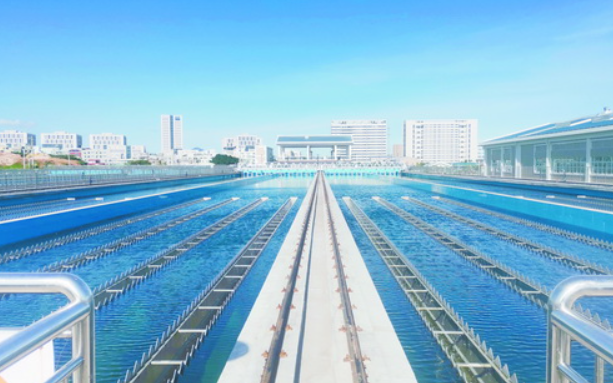
2. Strengthen Disinfection Without Blindly Increasing the Dose
When the source-water microbial risk increases, a plant may consider chlorine dioxide as part of its emergency disinfection strategy if the existing system, product authorization, and operating procedures permit it. The dose and contact time should be determined from actual oxidant demand, target microorganisms, water temperature, pH, contact-basin hydraulics, and validated CT requirements. A fixed 2–8 mg/L dose or a universal CT above 120 mg·min/L should not be presented as a standard emergency recipe. If chlorine dioxide is used, finished-water chlorine dioxide residual and relevant transformation products such as chlorite and chlorate should be monitored in accordance with applicable requirements.
Any company or project case involving a specific chlorine dioxide dose, contact time, or claimed reduction in microorganisms should be published only when the original monitoring records, water-quality conditions, analytical methods, and project documentation are available. Without that evidence, it is more rigorous to describe the case as an operational example rather than proof of a universal dosing rule.
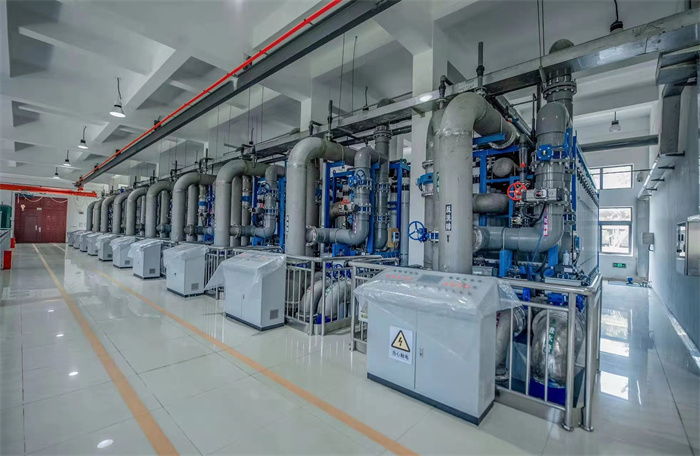
Second Treatment Train: Pretreatment Plus the Conventional Process
When a contamination event is accompanied by elevated organic matter, algae, taste-and-odor compounds, ammonia, or other source-water changes, pretreatment may need to be strengthened before the conventional process. The appropriate measures depend on the actual contaminant profile rather than a single TOC threshold.
Scenario 1: Moderate organic or algal impact
Where site-specific testing supports its use, potassium permanganate or another pre-oxidant may be applied to control selected taste-and-odor compounds, iron, manganese, algae, or other oxidizable constituents. It should not be described as a universal “virus-envelope oxidation” treatment, and dosage and contact time should be established by testing and plant experience.
Coagulant and coagulant-aid combinations may improve clarification under some conditions, but the effect on settling rate should be verified by jar tests and actual plant performance. A fixed 40% improvement should not be assumed.
Scenario 2: High organic loading or difficult-to-treat source water
Powdered activated carbon (PAC, meaning Powdered Activated Carbon) can be used where adsorption of taste-and-odor compounds or selected organic micropollutants is required. Its dosage, dosing point, and contact time should be determined from adsorption tests and plant hydraulics. This “PAC” should not be confused with polyaluminum chloride, which is also commonly abbreviated PAC in Chinese water-treatment practice.
Coagulation pH should be optimized according to raw-water alkalinity, coagulant chemistry, temperature, and jar-test results. It is not appropriate to prescribe a universal adjustment from pH 7.5 to 6.5 or to describe the mechanism simply as promoting humic-acid binding to metal ions. Clarification upgrades should focus on verified floc formation, settling behavior, and filtered-water performance.
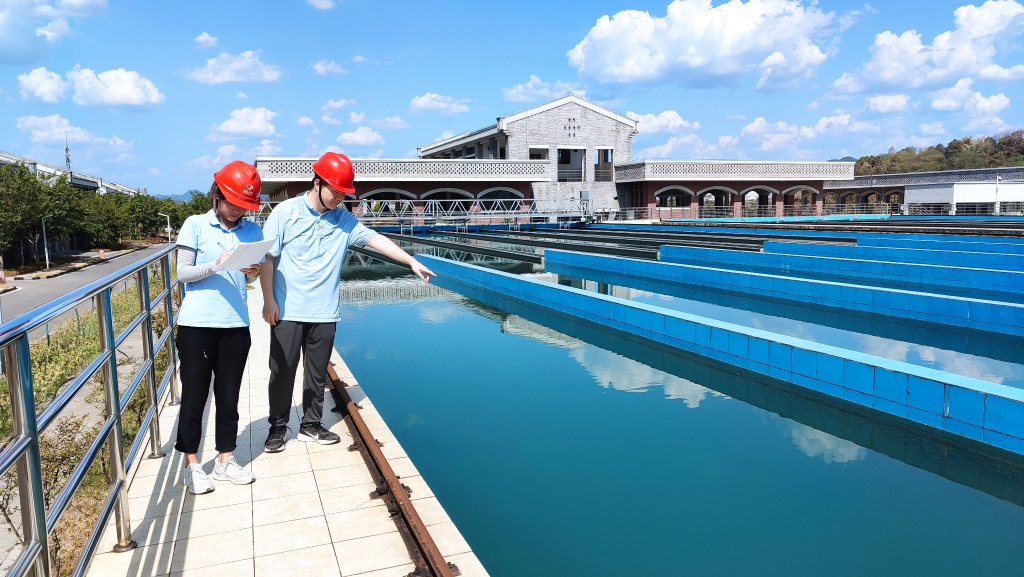
Third Treatment Train: Advanced Treatment for Difficult Events
When conventional treatment cannot reliably control a specific pathogen risk, organic contaminant, taste-and-odor event, or other difficult source-water condition, validated advanced-treatment barriers may be brought into service. The choice should be based on the actual hazard and the plant’s existing process capabilities.
1. Ozone and Activated Carbon
Pre-ozonation: a strong oxidation step, not a universal virus “membrane breaker”
Ozone dose and contact time must be selected according to ozone demand, target contaminants, water temperature, bromide level, and the required disinfection or oxidation objective. A fixed 1.5–3.0 mg/L dose for 10 minutes should not be generalized to all microbial events.
Where bromide is present, bromate formation is an important control issue. Bromide, ozone exposure, pH, ammonia, temperature, and organic matter can all affect bromate formation, so monitoring and control should follow the applicable drinking-water standard rather than a single simplified rule.
2. Post-Ozone Plus Biological Activated Carbon
Ozone can transform part of the remaining organic matter into more biodegradable compounds, while biological activated carbon can provide adsorption and biodegradation. The system is primarily used for organic-matter and taste-and-odor control and should not be described as a universal “double kill” process for every pathogen.
Empty-bed contact time is a design and operating parameter that depends on the carbon system, loading, water quality, and treatment objective. It should not automatically be increased from 20 to 30 minutes during every emergency.
Claims of a fixed 4-log removal of Cryptosporidium and Giardia at a named water plant should be used only when supported by original design or monitoring documentation. Protozoan control normally depends on the combined performance of clarification, filtration, membrane integrity, and/or validated disinfection barriers.
3. Membrane Treatment: A High-Performance Physical Barrier
Ultrafiltration (UF): strong removal of bacteria and protozoa when membrane integrity is maintained
UF membranes with appropriate pore size and verified integrity can provide very high removal of bacteria and protozoan cysts or oocysts. Virus removal, however, varies with membrane characteristics and integrity and should not be described as “absolute” without validated log-removal data.
Membrane flux and operating mode are plant-specific. A fixed flux of 50–60 L/(m²·h) is not a universal emergency operating target; it should be adjusted according to membrane design, transmembrane pressure, fouling, temperature, and manufacturer guidance.
4. Nanofiltration (NF): an additional barrier for dissolved contaminants and microorganisms
Nanofiltration can remove many dissolved organic and inorganic contaminants and can provide significant virus rejection when the membrane system is intact. However, molecular-weight cut-off and virus rejection depend on the membrane, operating conditions, and integrity; a universal “20–300 Da” range or >99.5% norovirus rejection should not be claimed without membrane-specific validation.
A low finished-water turbidity is a useful process indicator, but “zero microorganisms detected” should not be treated as an absolute guarantee. Finished-water safety should be demonstrated through the applicable microbiological standards, membrane-integrity verification, disinfection performance, and ongoing monitoring.
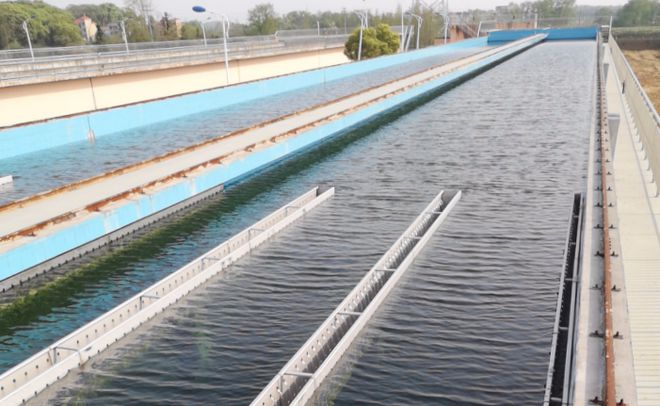
The First Four Hours: An Illustrative Emergency-Response Framework
0–1 hour: confirm the event and assess intake risk
The first priority is to confirm the pollution event, identify the likely source and affected intake, review online turbidity, conductivity, TOC or other available indicators, and determine whether intake reduction, switching, or temporary shutdown is necessary. Microbiological sampling frequency should be set by the plant’s emergency plan and laboratory capacity rather than automatically every 30 minutes.
Rapid screening methods for Cryptosporidium and Giardia can support decision-making where the laboratory is equipped and validated, but turnaround time depends on sampling volume, concentration, analytical method, staffing, and logistics. A universal two-hour result should not be promised.
1–2 hours: configure treatment barriers according to the identified risk
|
Risk type |
Preferred treatment approach |
Key control points |
|
Bacteria / E. coli |
Enhanced clarification and filtration + validated disinfection |
Filtered-water turbidity, disinfectant residual, validated CT and microbiological indicators |
|
Cryptosporidium / Giardia |
Optimize coagulation-filtration; add validated ozone, UV or membrane barriers where available |
Barrier integrity, filtration performance and validated log-removal/inactivation targets |
|
Virus event |
Source control + optimized filtration + validated disinfection and/or membrane barrier |
Target log inactivation/removal, disinfectant demand, temperature, contact time and membrane integrity |
2–4 hours: dynamically adjust the process
Online instruments such as turbidity, disinfectant residual, flow, pressure, TOC, conductivity, and other validated indicators can provide real-time process feedback. They do not directly prove the absence of pathogens, so online data must be combined with laboratory results and barrier-performance verification.
If powdered activated carbon or another emergency treatment chemical is used, dosing locations should follow the existing hydraulic design and validated mixing conditions. Additional dosing points should not be added simply for “multi-point defense” unless the plant has been designed and assessed for that configuration.
After the initial response: verify safety before returning to normal operation
Verification should focus on applicable drinking-water microbiological indicators, finished-water turbidity, disinfectant residual, relevant disinfection by-products, and other parameters identified by the risk assessment. Zebrafish-embryo testing is not a routine universal release criterion for microbial drinking-water emergencies.
Heterotrophic plate count or other culture results may be useful for operational trending, but a fixed value such as <1 CFU/mL is not a universal drinking-water release criterion. Final decisions should follow the applicable drinking-water standard, local emergency plan, and public-health authority requirements.
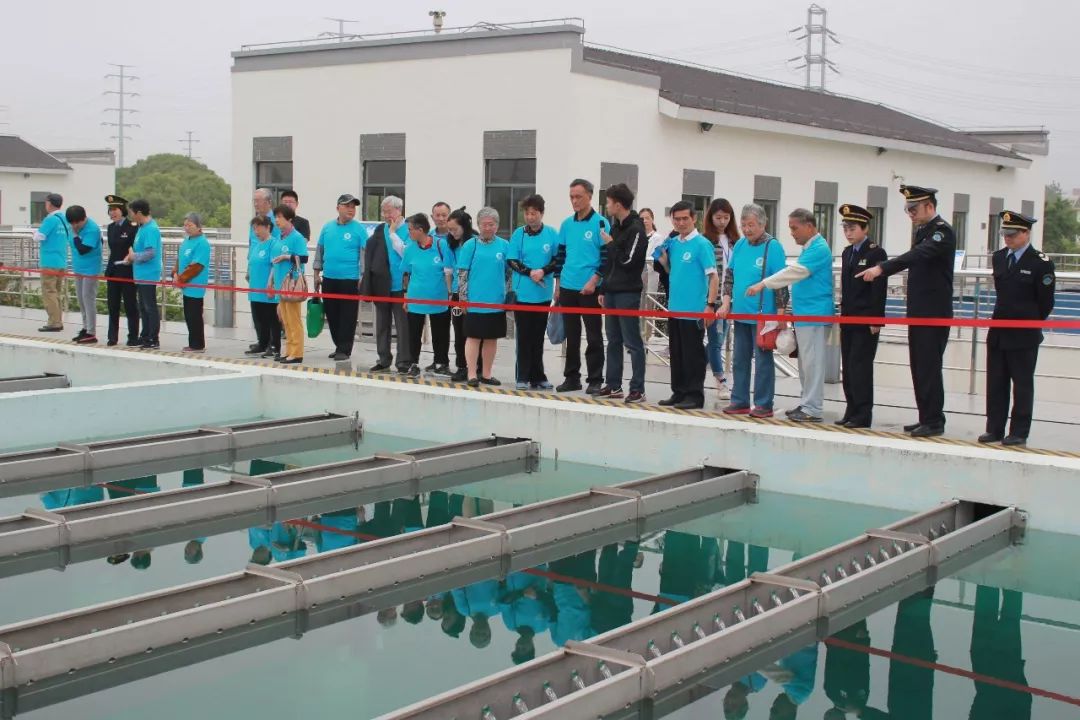
From optimized coagulation and stable filtration to validated disinfection and advanced barriers, every unit process in a water treatment plant contributes to microbial risk control. The real safety net behind clear tap water is built from multiple barriers, reliable monitoring, documented operating limits, laboratory verification, and repeated emergency exercises—not from any single chemical or fixed dose.
The engineers and operators behind the scenes deserve recognition. Their value lies in making decisions from data, understanding the limits of each process, and adjusting treatment without sacrificing safety when source-water conditions change.
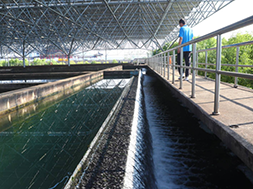
A shutdown of the chlorine dioxide system in a water plant can lead to risks such as decreased disinfection capacity, increased byproducts, biofilm growth, and water quality exceeding standards. Water quality can be ensured through redundancy backups, temporary alternative disinfection methods, refined operation and maintenance, and optimized process parameters. Corresponding emergency measures should be implemented for planned maintenance and unforeseen malfunctions to minimize the impact of shutdowns on disinfection stability.
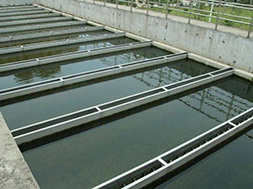
In remote rural areas, some water plants lack electricity due to grid limitations. They rely on three non-electric methods—gravity dripping, float pump, and manual dosing—to add disinfectant and disinfect drinking water. At the same time, they rationally select disinfectants based on the performance characteristics of different agents, using low-cost and practical technologies to safeguard the drinking water safety of rural residents and strengthen the foundation of rural revitalization and people's livelihood.
Tap water may momentarily fail to meet residual chlorine standards upon leaving the treatment plant, but the water coming out of the tap may still meet standards. This is because the water supply network has chlorination replenishment stations to add disinfectant, and the small amount of substandard water mixes and dilutes with a large amount of qualified water during transportation. Water supply relies on multiple layers of protection—water treatment at the treatment plant, network regulation, and end-point monitoring—to ensure the safety of water quality reaching households. Therefore, it is crucial to pay close attention to the water quality at the final point of contact (the point of contact with the tap).

Biofilm on the inner walls of water supply networks can easily cause secondary pollution. Excessive chlorine dioxide concentration can cause it to detach in large quantities, leading to turbidity in the water at the user's end. A comprehensive approach, including precise concentration control, optimized dosing methods, network flushing, enhanced water quality monitoring, and pipeline maintenance, can balance the effectiveness of biofilm management and ensure water supply safety.
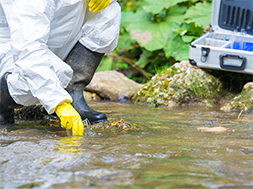
Excessive nitrate levels in drinking water can harm human health, especially threatening the health of infants and young children. Chlorine dioxide is only used for water disinfection and **cannot be used as a routine method for removing nitrates**. Reverse osmosis, ion exchange, and biological denitrification technologies can be used to remove nitrates. Boiling and activated carbon adsorption are ineffective in reducing nitrate levels, and regular water quality monitoring and maintenance are necessary after treatment.
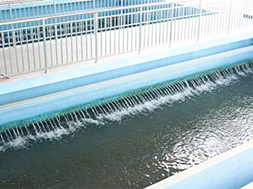
When water quality at the water plant is abnormal, a four-level emergency response is activated through real-time monitoring and alarms; the contaminated water source is cut off, a backup water source is activated, and targeted purification treatment is carried out according to the type of pollutant; water quality testing is intensified, and water supply is restored after the water meets the standards; information is simultaneously disclosed, and emergency water supply is allocated to key locations. A post-incident disinfection system is implemented, contingency plans are improved, and water source protection is strengthened to ensure the safety of urban water use.
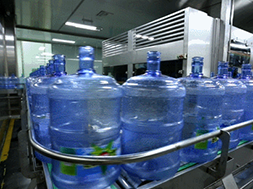
Chlorine dioxide is used for disinfection of bottled water, but its effectiveness is easily affected by high temperatures, light exposure, and storage time, leading to degradation and the production of harmful byproducts such as chlorite and chlorate. The quality of bottled water can be ensured through multi-party collaboration, including controlling the concentration at the factory, using light-blocking packaging, low-temperature storage and transportation, shortening distribution time, and other measures.
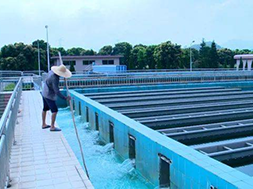
High temperatures can easily cause red nematodes to grow in secondary water supply tanks, which can be disinfected with chlorine dioxide; the tanks need to be cleaned regularly, and water should be drained before use, and any abnormalities should be reported immediately.
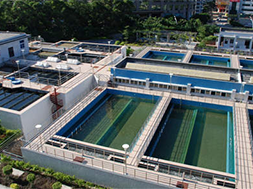
Sudden microbial contamination of water sources is characterized by rapid outbreaks, high difficulty in detection, and high health risks. Water plants can respond to contamination through various technical solutions, such as enhanced treatment using conventional processes, pretreatment combined with conventional processes, and advanced treatment. At the same time, they should follow the golden 4-hour emergency response process, carry out water quality testing, process adjustments, and safety verification in stages, and safeguard water supply safety by relying on technical means, real-time monitoring, and emergency drills.
Northeast of Huangshan Road and Chuangye Intersection, Small and Medium sized Enterprise Entrepreneurship Industrial Park, Shanwang Town, Linqu County, Weifang City, Shandong Province
Copyright © 2025 by Shandong Huashi Pharmaceutical Co., Ltd All Rights Reserved


 Language
 中文
 Русский
 Chlorine Dioxide Disinfectant Manufacturer