Welcome to Our Factory for a Visit! Free customized disinfection solutions
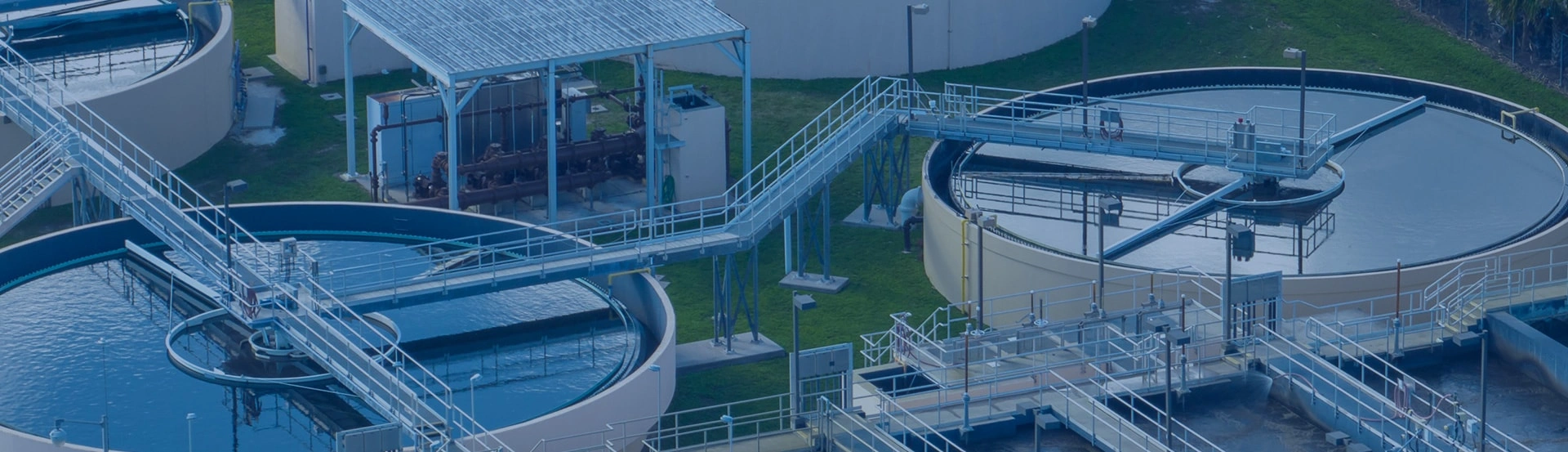
During hot summer weather, finding small red, wriggling organisms in tap water can be alarming.
In waterworks or secondary water-supply tanks, red worm-like organisms may occasionally be noticed during warm periods. However, their appearance alone does not identify the species or the source of contamination. A scientific response should begin with isolation, sampling, source investigation, cleaning and disinfection, and water-quality verification before normal supply is resumed.
I. What Are These 'Red Worms,' and What Do They Mean for Water Safety?
The term 'red worms' is a colloquial description rather than a precise biological identification. Depending on the site, red worm-like organisms may include aquatic oligochaetes such as Tubifex-type worms, insect larvae such as chironomids, or other small aquatic organisms. They are more likely to occur where sediment, organic matter, biofilm, or external contamination is present. Their appearance in a drinking-water system is therefore an abnormal condition and a warning sign that the storage tank, pipeline, sealing, drainage, or maintenance status should be investigated. It is not technically appropriate to state that every red worm necessarily carries large quantities of bacteria, viruses, or parasite eggs or will directly cause gastrointestinal disease. The health risk should instead be assessed through organism identification, source investigation, and water-quality testing. Visible organisms themselves also make the water unacceptable from an aesthetic and sanitary-management perspective.
II. Why Are Red Worm-Like Organisms More Likely to Appear in Summer?
Warm temperatures can accelerate biological activity and make environments containing sediment, organic matter, and biofilm more favorable for small aquatic organisms. In secondary water-supply tanks, accumulated sludge or deposits, inadequate cleaning, poorly sealed access covers or vents, damaged screens, stagnant zones, or defects in connected piping can increase the risk of external organisms entering or establishing themselves. The presence of these organisms should therefore not be attributed to temperature alone. The investigation should include tank cleanliness, covers and vents, overflow and drainage arrangements, insect-proof screens, pipe integrity, hydraulic stagnation, and the surrounding environment.
III. When Red Worm-Like Organisms Are Found: A Step-by-Step Scientific Response
(1) Isolate the affected area and investigate immediately
Once visible organisms are found, the operator should activate the water-quality incident response procedure, identify the affected supply zone, and prevent potentially contaminated water from spreading further. Whether the entire supply must be shut down should be determined according to the affected scope, system configuration, available alternative supply, and the emergency plan. The storage tank, clear-water tank, secondary water-supply tank, associated pipelines, vents, overflow pipes, access openings, and downstream outlets should be inspected. Samples of the organisms and water should be retained where practical for identification and laboratory testing.
(2) Thorough cleaning and validated disinfection
Drain and clean the tank according to the approved confined-space and drinking-water facility procedures. Sediment, sludge, biofilm, and other deposits on the bottom and walls should be physically removed. Mechanical cleaning and controlled water flushing may be used where appropriate, while special attention should be paid to corners, joints, ladders, fittings, and other areas where deposits can remain.
For disinfection, use a disinfectant that is permitted for drinking-water facilities and follow the specific product instructions and the facility's validated cleaning and disinfection procedure. Sodium hypochlorite, chlorine dioxide, and other approved products have different active ingredients, use conditions, residual-control requirements, and by-product considerations and should not be treated as one interchangeable category. Chlorine dioxide is a strong oxidizing disinfectant, but it should not be described as universally '2.6 times stronger than chlorine' or as producing no harmful by-products. When chlorine dioxide is used, chlorite and other relevant transformation products may need to be controlled. The disinfectant concentration and contact time should be determined from the approved product label, tank material, contamination level, and operating procedure rather than a universal 50-100 mg/L and 30-60 minute formula. The purpose is to disinfect the cleaned tank and associated surfaces; no chemical treatment should be assumed to 'completely kill every worm and egg' without verification.
After disinfection, rinsing, draining, refilling, or other post-treatment should be carried out according to the disinfectant instructions and the approved tank-cleaning procedure. The number of rinses should not be fixed at three to five, and the absence of a disinfectant odor is not proof that the water is safe. The final criterion is compliance with the applicable water-quality requirements after the system is restored.
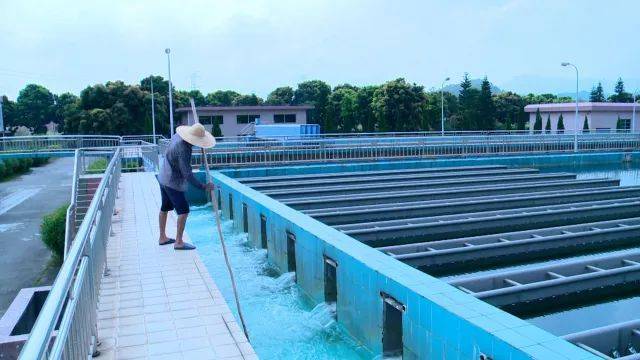
(3) Flush and inspect the distribution piping
The connected piping should be assessed and, where necessary, flushed in a controlled manner to remove loose deposits and affected water. Flushing duration should be based on pipe volume, flow velocity, water-quality observations, and the system's flushing plan rather than a universal one- to two-hour period at every tap. Old, leaking, cross-connected, or damaged piping should be repaired or replaced. If organisms repeatedly appear, the investigation should also consider dead legs, low-flow zones, backflow risk, pipe deposits, and biofilm rather than assuming that simple flushing will permanently solve the problem.
(4) Verify water quality before returning to normal service
After a water-quality contamination incident has been handled, the operator should perform the water-quality testing required before resuming supply. For secondary water-supply facilities in China, GB 17051-2025 requires testing after tank cleaning and disinfection and before restoring supply following a water-quality pollution incident. Testing should include the mandatory indicators and any additional indicators relevant to the incident, and the results must comply with GB 5749-2022. Where a disinfectant is used, the corresponding disinfectant and disinfection-by-product indicators should also be evaluated. Normal supply should be resumed only after the cause has been controlled and the required results are acceptable.
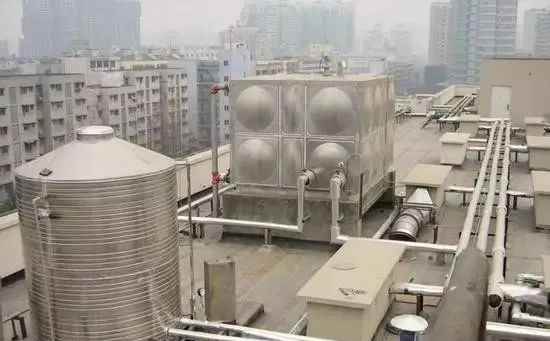
IV. Prevention Is More Effective Than Emergency Cleaning
(1) Strengthen water-tank management
Establish a documented cleaning, disinfection, inspection, and maintenance program. Under the current GB 17051-2025, secondary water-supply tanks in China must be cleaned and disinfected at least once per year, and additional cleaning and disinfection are required when water-quality results do not comply with GB 5749-2022 or when contamination incidents occur. Local regulations or risk-based management may require a higher frequency, so a universal 'once every six months' rule should not be presented as the national standard.
Keep access covers, manholes, vents, overflow pipes, drainage arrangements, and insect-proof screens intact and properly protected. The surrounding area should be kept clean and sources of insects, standing water, waste, or other potential contamination should be controlled. These preventive measures are more important than relying on repeated high-dose disinfection after organisms have already entered the system.
(2) Make water-quality monitoring routine
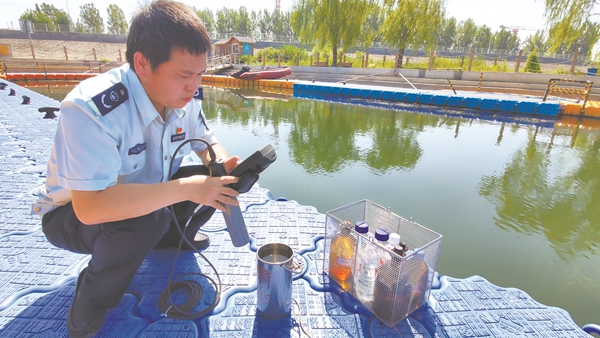
Water quality should be monitored regularly in accordance with the applicable standards and the facility's operating plan. In addition to laboratory testing, operators may use suitable field instruments to trend parameters such as disinfectant residual, turbidity, and other operational indicators. The parameter monitored must match the actual disinfection method: for example, chlorine dioxide residual should be measured when chlorine dioxide is used rather than being described generically as 'residual chlorine.' Online or field measurements are useful for trend monitoring but do not replace required laboratory testing.
(3) Practical advice for residents
Residents should not drink or use visibly abnormal water for food preparation until the water supplier or property manager has investigated and confirmed that the problem has been resolved. After a prolonged period of stagnation, flushing the outlet may be appropriate according to local water-supplier guidance and the building's plumbing condition, but a fixed one- to two-minute flush every morning is not necessary for every household and may waste water. If worms, unusual color, odor, turbidity, or other abnormalities are observed, residents should promptly report them and follow official instructions on temporary alternative water use.
Finding red worm-like organisms in a drinking-water tank should be treated as a water-system abnormality that requires source investigation rather than panic or a single 'kill step.' Correct identification, physical cleaning, appropriate disinfection, piping inspection, water-quality verification, and preventive maintenance form a complete response. The goal is not merely to remove what can be seen, but to identify why the organisms entered or developed in the system and prevent recurrence.
A shutdown of the chlorine dioxide system in a water plant can lead to risks such as decreased disinfection capacity, increased byproducts, biofilm growth, and water quality exceeding standards. Water quality can be ensured through redundancy backups, temporary alternative disinfection methods, refined operation and maintenance, and optimized process parameters. Corresponding emergency measures should be implemented for planned maintenance and unforeseen malfunctions to minimize the impact of shutdowns on disinfection stability.
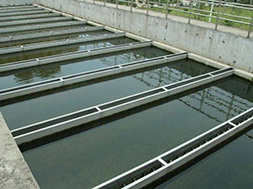
In remote rural areas, some water plants lack electricity due to grid limitations. They rely on three non-electric methods—gravity dripping, float pump, and manual dosing—to add disinfectant and disinfect drinking water. At the same time, they rationally select disinfectants based on the performance characteristics of different agents, using low-cost and practical technologies to safeguard the drinking water safety of rural residents and strengthen the foundation of rural revitalization and people's livelihood.
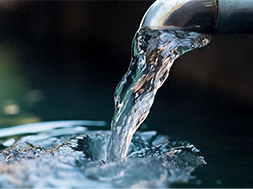
Tap water may momentarily fail to meet residual chlorine standards upon leaving the treatment plant, but the water coming out of the tap may still meet standards. This is because the water supply network has chlorination replenishment stations to add disinfectant, and the small amount of substandard water mixes and dilutes with a large amount of qualified water during transportation. Water supply relies on multiple layers of protection—water treatment at the treatment plant, network regulation, and end-point monitoring—to ensure the safety of water quality reaching households. Therefore, it is crucial to pay close attention to the water quality at the final point of contact (the point of contact with the tap).

Biofilm on the inner walls of water supply networks can easily cause secondary pollution. Excessive chlorine dioxide concentration can cause it to detach in large quantities, leading to turbidity in the water at the user's end. A comprehensive approach, including precise concentration control, optimized dosing methods, network flushing, enhanced water quality monitoring, and pipeline maintenance, can balance the effectiveness of biofilm management and ensure water supply safety.
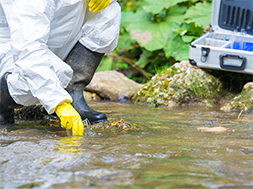
Excessive nitrate levels in drinking water can harm human health, especially threatening the health of infants and young children. Chlorine dioxide is only used for water disinfection and **cannot be used as a routine method for removing nitrates**. Reverse osmosis, ion exchange, and biological denitrification technologies can be used to remove nitrates. Boiling and activated carbon adsorption are ineffective in reducing nitrate levels, and regular water quality monitoring and maintenance are necessary after treatment.
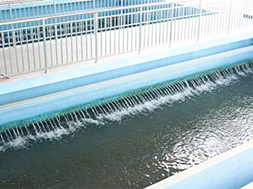
When water quality at the water plant is abnormal, a four-level emergency response is activated through real-time monitoring and alarms; the contaminated water source is cut off, a backup water source is activated, and targeted purification treatment is carried out according to the type of pollutant; water quality testing is intensified, and water supply is restored after the water meets the standards; information is simultaneously disclosed, and emergency water supply is allocated to key locations. A post-incident disinfection system is implemented, contingency plans are improved, and water source protection is strengthened to ensure the safety of urban water use.
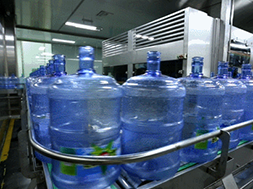
Chlorine dioxide is used for disinfection of bottled water, but its effectiveness is easily affected by high temperatures, light exposure, and storage time, leading to degradation and the production of harmful byproducts such as chlorite and chlorate. The quality of bottled water can be ensured through multi-party collaboration, including controlling the concentration at the factory, using light-blocking packaging, low-temperature storage and transportation, shortening distribution time, and other measures.
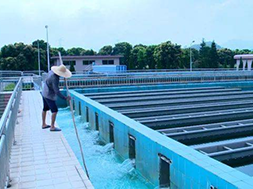
High temperatures can easily cause red nematodes to grow in secondary water supply tanks, which can be disinfected with chlorine dioxide; the tanks need to be cleaned regularly, and water should be drained before use, and any abnormalities should be reported immediately.
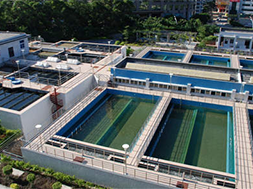
Sudden microbial contamination of water sources is characterized by rapid outbreaks, high difficulty in detection, and high health risks. Water plants can respond to contamination through various technical solutions, such as enhanced treatment using conventional processes, pretreatment combined with conventional processes, and advanced treatment. At the same time, they should follow the golden 4-hour emergency response process, carry out water quality testing, process adjustments, and safety verification in stages, and safeguard water supply safety by relying on technical means, real-time monitoring, and emergency drills.
Northeast of Huangshan Road and Chuangye Intersection, Small and Medium sized Enterprise Entrepreneurship Industrial Park, Shanwang Town, Linqu County, Weifang City, Shandong Province
Copyright © 2025 by Shandong Huashi Pharmaceutical Co., Ltd All Rights Reserved


 Language
 中文
 Русский
 Chlorine Dioxide Disinfectant Manufacturer