Welcome to Our Factory for a Visit! Free customized disinfection solutions
For quality control teams in food processing plants, the fresh fruit cutting process has always been a persistent headache. Freshly cut fruit and vegetable ingredients are highly susceptible to enzymatic browning and cross microbial contamination during production. To tackle microbial risks, most factories still rely on the traditional sodium hypochlorite disinfection method. However, this conventional solution fails to resolve the core issues and even creates new hidden hazards, bringing extra hygiene risks to fresh cut products.
The fundamental reason why browning and contamination problems persist despite disinfection treatment in food factories lies in the lack of targeted, scientific analysis of the whole process. This article analyzes the practical pain points of traditional disinfection and introduces a targeted solution to break the current processing dilemma.
1. Drawbacks of traditional sodium hypochlorite: chlorate residue, peculiar odor and secondary pollution
Sodium hypochlorite has long been a mainstream disinfection product in the food industry, favored by factories for its low cost and broad-spectrum sterilization effect. Yet it is far from suitable for the delicate processing scenario of fresh cut fruits and vegetables, with prominent practical drawbacks in actual production.
First of all, it leaves persistent chemical odors. Many manufacturers have found that after sodium hypochlorite disinfection, fruits, vegetables and production equipment often retain lingering bleach smells that are hard to eliminate. This defect directly damages the flavor of finished products, undermines the taste experience, and negatively affects the overall shelf-life quality of fresh cut fruit and vegetable products.
More critically, it generates harmful chlorate residues. Sodium hypochlorite features poor chemical stability and tends to degrade naturally during storage and high-temperature production environments. When it comes into contact with fruit and vegetable juice and other organic substances generated by cutting, it will trigger irreversible side reactions, producing toxic by-products such as chlorate and chlorite. These substances pose potential harm to human health, and relevant detection standards for export food products have become increasingly stringent in recent years, making residue pollution the biggest flaw of sodium hypochlorite disinfection.
In addition, it easily causes secondary pollution and weakens the overall disinfection effect. While sodium hypochlorite works well for simple surface disinfection, its bactericidal capacity drops sharply once it contacts protein, grease, or biofilm-covered bacterial residues on ingredients. The residual bacteria that flow into subsequent production processes will directly trigger cross-contamination, disrupting the entire disinfection and production system.
2. Practical solution: Chlorine dioxide technology for multi-dimensional optimized disinfection
Abandoning single sodium hypochlorite disinfection and adopting chlorine dioxide for whole-process sterilization and fresh-keeping treatment can effectively solve browning, microbial pollution and residue risks, forming a three-dimensional control system covering water source, cut surface and production environment.
Stage 1: Water quality treatment to eliminate source pollution
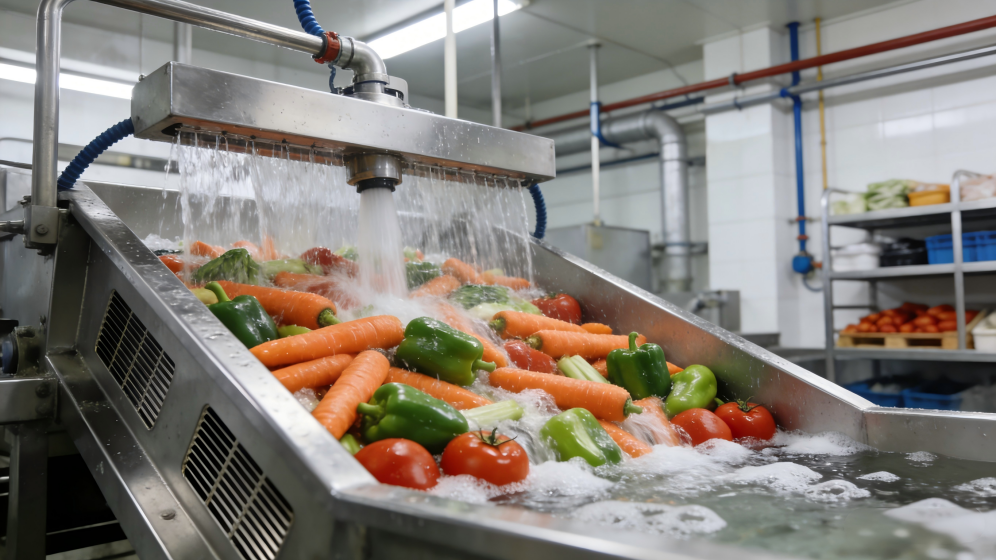
Processing water microbial control is the core foundation of fresh cut fruit and vegetable quality control. Maintaining a stable chlorine dioxide residual concentration of 0.1-0.2ppm in the cleaning water storage tank for 10 to 20 minutes can reduce the total number of microorganisms in water by 99%. Meanwhile, the chlorine dioxide-treated cleaning water can be reused for pre-rinsing procedures, realizing water resource recycling, cutting production water consumption and reducing wastewater pollution.
Operation tips: Install automatic chlorine dioxide generators (such as Xiuba chlorine dioxide generator) to dynamically adjust the dosing capacity within 0.6-1.2kg/h according to real-time microbial load of incoming water, so as to ensure stable residual disinfectant concentration and consistent water treatment effect.
Stage 2: Post-cut spraying to protect cutting surfaces accurately
After fruits and vegetables are cut and sent to the cleaning tank, targeted spraying treatment with chlorine dioxide solution is required. The optimal treatment parameters are set as follows: solution concentration 3-5ppm, pH value maintained at 6.5-7.0, and treatment time 1-3 minutes. This process is not designed for deep sterilization, but to rapidly passivate the enzyme activity on fresh cutting surfaces and inhibit initial microbial adhesion, fundamentally slowing down enzymatic browning.
Operation tips: Adopt a uniform atomization spraying system to ensure the disinfectant fully covers every cutting surface without dead ends. After treatment, the products need to be centrifuged immediately to avoid excessive surface moisture causing secondary microbial breeding.
Stage 3: Environmental disinfection to eradicate secondary pollution risks
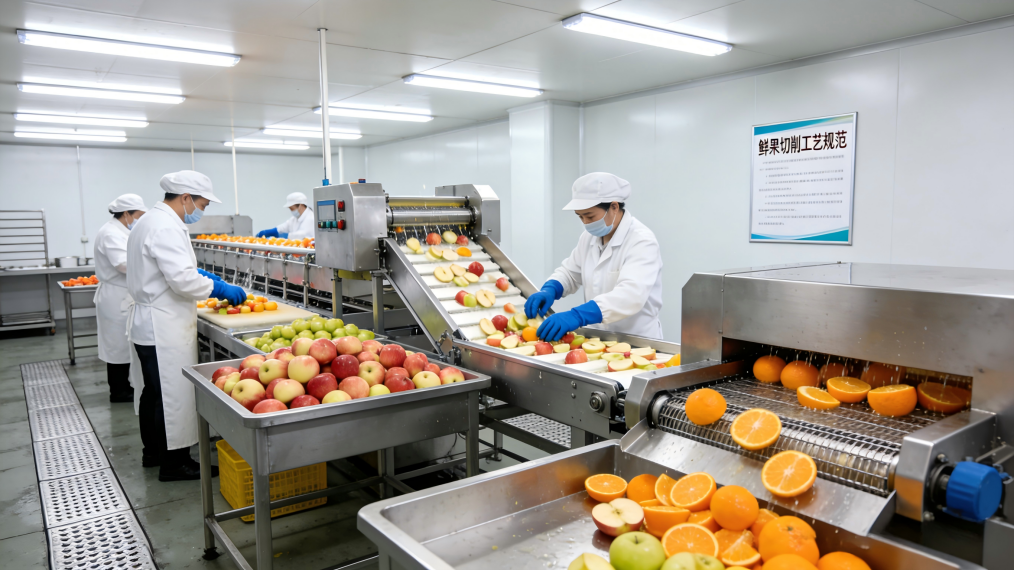
Air and equipment surface microbial control in the cutting workshop is equally important for product quality. Chlorine dioxide atomization technology can convert disinfectant into micron-level aerosols, achieving full coverage of workshop air, production equipment gaps, floor corners and other hard-to-clean areas. Compared with traditional soaking disinfection, atomization treatment can reduce disinfectant consumption by 48%-96%, and achieve a sterilization effect of over 5log for Escherichia coli and Salmonella, two common foodborne bacteria.
Operation tips: Select food-grade peracetic acid or chlorine dioxide as atomized disinfectant, with a single disinfection duration of 15-20 minutes, and conduct 1-2 times of deep space disinfection every week to keep the production environment sterile.
3. Practical application effect: Comprehensive upgrade of production quality and efficiency
A professional vegetable processing enterprise completed the replacement of disinfection technology, using 0.1-0.2ppm residual chlorine dioxide for spraying water disinfection instead of traditional sodium hypochlorite. The actual production data showed remarkable improvements: the microbial contamination rate of products dropped by 99%, cleaned vegetables no longer faded, and the overall product quality remained stable and high-standard.
In terms of production cost and environmental protection, the enterprise’s process water recycling rate increased by 25%, wastewater discharge was significantly reduced, and the overall operating cost of the production line decreased rather than increased, realizing a win-win of quality improvement and cost control.
Fresh cut fruit and vegetable processing is a refined production link that requires both efficient disinfection and effective fresh-keeping. Traditional sodium hypochlorite can no longer meet the dual requirements of food safety and product flavor. As an upgraded disinfection solution, chlorine dioxide avoids harmful by-product generation and does not damage the original taste and aroma of fresh ingredients, making it an ideal choice for fresh cut processing scenarios.
It is essential to select qualified food-grade chlorine dioxide products for production. Classified as an A1-level safe disinfectant by the World Health Organization (WHO), Xiuba chlorine dioxide disinfectant is manufactured in strict accordance with the national standard GB14930.2 National Food Safety Standard for Disinfectants. It is widely applicable for disinfection and sterilization of food processing workshops, production pipelines, fresh fruits and vegetables, and catering utensils.
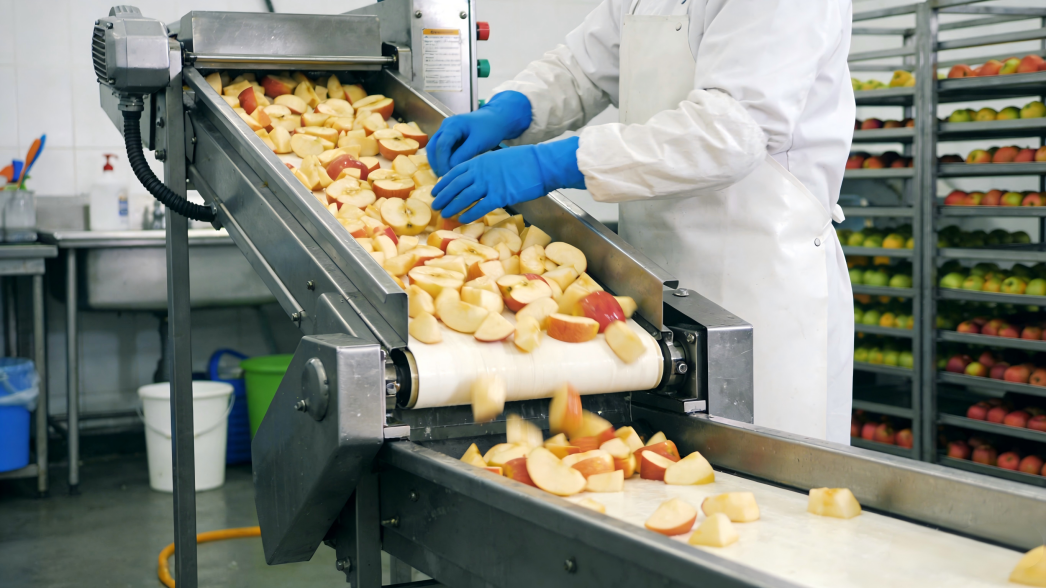
This product is not merely a simple substitute for traditional disinfectants, but enables systematic optimization of the entire fresh cut production process. With precise and efficient sterilization performance, it perfectly preserves the original flavor and freshness of fresh cut fruits and vegetables, adding reliable safety guarantees to food production.
Admittedly, chlorine dioxide is not a perfect solution, but compared with sodium hypochlorite which has long plagued factories with browning and residue problems, it greatly stabilizes product yield and quality, becoming a core technology to break the long-term dilemma of fresh cut fruit and vegetable processing.
When using chlorine dioxide for disinfection in food production, the disinfectant concentration is a critical control point in the HACCP system. Test strips are convenient to use but have a relatively large margin of error; portable testing instruments offer higher accuracy but require regular calibration and maintenance. Enterprises can adopt a three-tiered monitoring solution: primarily online sensors, supplemented by portable instrument inspection and calibration, and emergency verification using test strips. This enables continuous monitoring, data retention and traceability, ensuring both disinfection effectiveness and food safety.
Chlorine dioxide fumigation can achieve thorough disinfection of food factory workshops, but it can easily produce residual odors that contaminate products. After 2-4 hours of disinfection, residual gases can be eliminated with the help of negative pressure exhaust, three-stage ventilation, neutralizing agents, and activated carbon. Raw material packaging should be removed or sealed in advance, easily absorbent parts should be protected, residues should be tested after disinfection, and sufficient ventilation should be ensured before production to guarantee food safety.
Microorganisms detected after disinfection in food factories often indicate secondary contamination. Do not blindly change disinfectants. Instead, identify the problem through three steps: on-site sampling and investigation, microbial tracing, and verification of the disinfection process. Then, classify and rectify the issues. Disinfection of workshops requires a combination of products, solutions, and services.
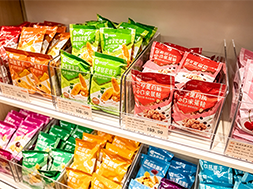
In 2022, a food factory in North China faced a downturn in offline channels and transformed its business by selling crispy pork powder on Douyin (TikTok). Within 18 months, it achieved monthly sales of 6 million yuan. Initially, the factory suffered losses from live-streaming sales, but managed to increase sales volume by supporting small and medium-sized influencers. It reversed the losses by reducing costs through various means and promoting high-margin packages. Optimizing shipping and after-sales service stabilized store traffic. Subsequently, it cultivated private domain traffic, expanded across multiple platforms, and even revitalized its offline channels. Traditional factories need to balance production and online operations to survive in the market.
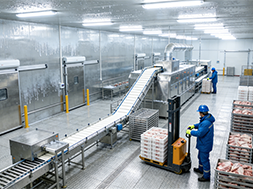
A large-scale recall of frozen food products in the US due to glass shards contaminated the food was highlighted. Physical foreign objects can carry microorganisms, cause temperature fluctuations on production lines, and create unsanitary areas in equipment, making frozen products susceptible to Listeria growth. Chlorine dioxide can achieve comprehensive disinfection of workshops, equipment, water, and tools, eliminating the risk of secondary contamination. Companies need to simultaneously conduct equipment inspections and standardized disinfection. Xiuba can provide complete disinfection solutions for the food industry.
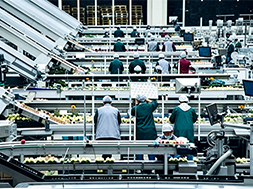
AI is profoundly reshaping the food industry. Domestic and foreign food companies are implementing five major applications: intelligent production, AI quality inspection, formula development, supply chain prediction, and low-carbon production, to achieve cost reduction and quality improvement. In the future, the industry will move towards data assetization, full-chain collaboration, and the widespread application of AI technology in small and medium-sized factories.
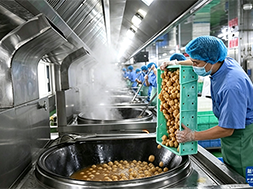
Mold easily grows in food factories during spring and summer, contaminating products and even producing carcinogenic toxins. This solution provides a complete practical guide to mold prevention in workshops, covering seven dimensions: environmental control, chemical and physical disinfection, equipment and raw materials, personnel management, and intelligent monitoring.
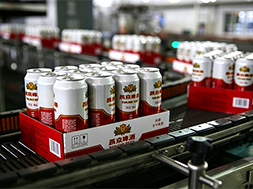
Biofilm growth in beverage and brewery pipelines can pose food safety risks. This article introduces the four-step CIP cleaning process, the advantages and disadvantages of various disinfectants, key points to avoid cleaning pitfalls, and recommends efficient disinfection solutions.
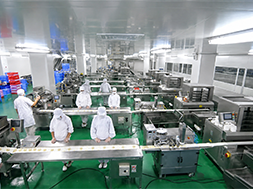
Chlorine dioxide is suitable for air and surface disinfection in food processing workshops. It has broad-spectrum and high-efficiency characteristics, but the concentration, time, ventilation and personnel protection must be strictly controlled, and the operation must be carried out in accordance with the instructions.
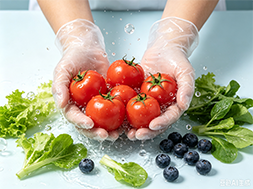
Disinfection in fruit and vegetable processing suffers from drawbacks such as the production of harmful byproducts, damage to nutritional value, and incomplete sterilization by traditional disinfectants. Chlorine dioxide, on the other hand, produces no toxic byproducts, is safe for use at low concentrations, and can also protect color and lock in nutrients. Xiuba food-grade chlorine dioxide boasts an activation rate exceeding 95%, a complete product range, and comprehensive certifications. With years of industry experience, Xiuba can provide complete solutions for cleaning and disinfecting food and fruits and vegetables.
Northeast of Huangshan Road and Chuangye Intersection, Small and Medium sized Enterprise Entrepreneurship Industrial Park, Shanwang Town, Linqu County, Weifang City, Shandong Province
Copyright © 2025 by Shandong Huashi Pharmaceutical Co., Ltd All Rights Reserved


 Language
 中文
中文 Русский
 Chlorine Dioxide Disinfectant Manufacturer


